Walking For Weight Loss: A Realistic Daily Plan
By:Author:Senior Diet Editorial
Updated on:October 18, 2026
- Does Walking Actually Shift Your Weight?
- Walking Versus Structured Cardio Workouts
- Why Consistent Walking Beats Intense Workouts
- Adjusting Your Walking Routine to Fit You
- Making Daily Walking Work With Real Eating Habits
- The Myth That Walking Burns Fat From One Spot
- Pairing Senior Diet With a Walking Habit
- Turning a Daily Walk Into a Lasting Routine
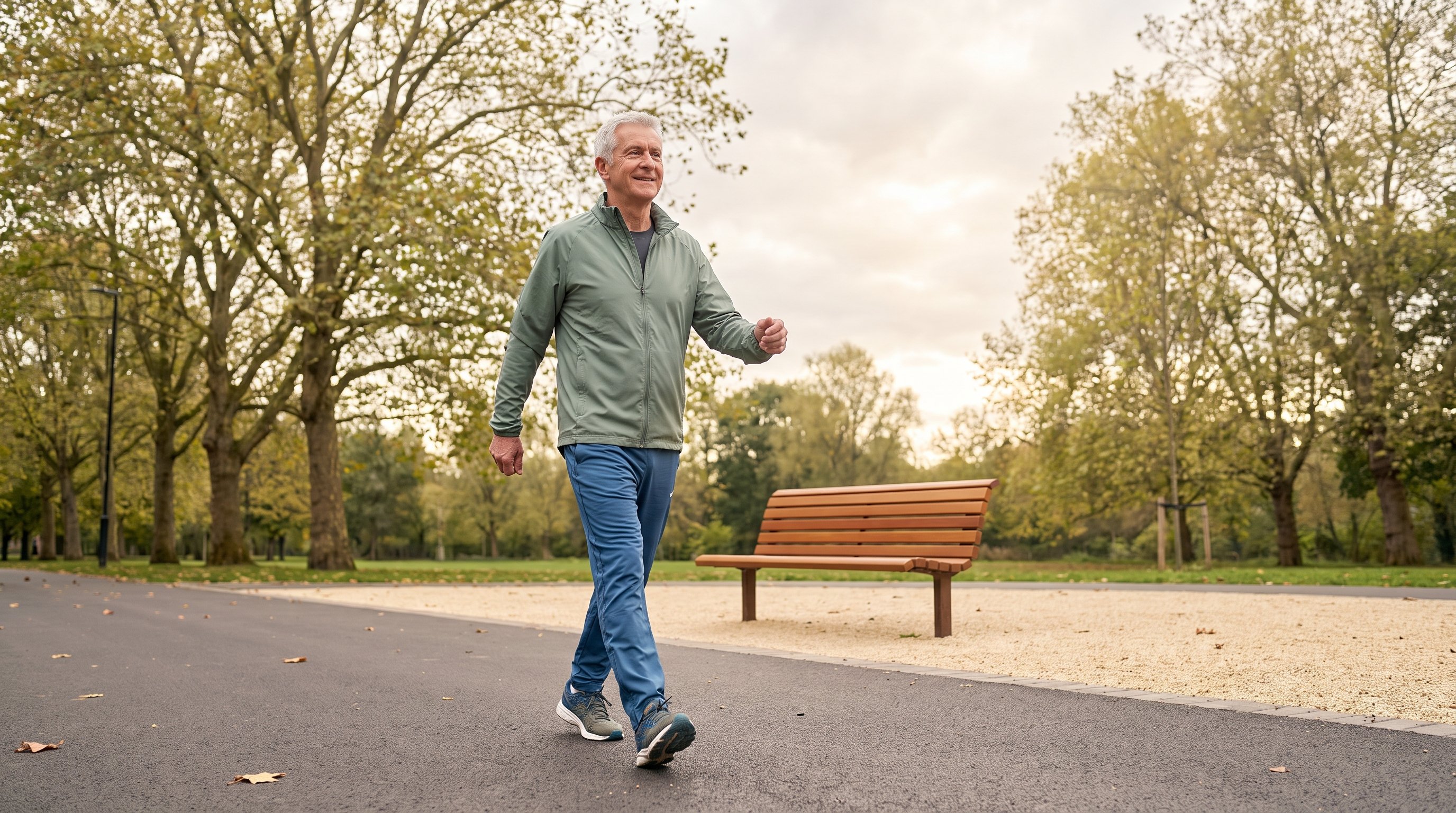
Walking for weight loss works because it creates a gap between calories eaten and calories used, and it's a gap most people can actually sustain. The mechanism is not magic - it's steady movement that adds up over a day without wrecking your knees or your motivation.
A 20-minute walk burns a modest amount on its own, but stacked across a week, and paired with eating that supports a deficit, the numbers start to matter.
This guide covers whether walking actually works, how it stacks up against harder exercise, who it suits, and how to make it a habit that outlasts motivation.
Does Walking Actually Shift Your Weight?
Walking shifts weight the same way any movement does - by adding to the calories you burn in a day, which widens the gap between intake and output.
The body does not know the difference between calories burned on a treadmill, a park loop, or a flight of stairs - it just counts the total.
The Rough Arithmetic
A brisk 30-minute walk for most older adults burns somewhere in the range of 100 to 150 calories, depending on pace and body weight. Do that five days a week and you're looking at roughly 500 to 750 extra calories burned, which is close to one day's worth of a modest deficit.
That's not a dramatic number on its own, but it's one that's easy to repeat tomorrow, and the next day, which is the part that actually counts over time.
Walking Versus Structured Cardio Workouts
The real decision most people face isn't walking versus doing nothing - it's walking versus a gym class, a run, or a structured cardio session.
Each has a place, but they ask different things of your joints, your schedule, and your willingness to keep showing up.

| Option | Joint Impact | Equipment | Dropout Risk |
|---|---|---|---|
| Daily Walking | Low | None needed | Low |
| Running | High | Good shoes | Higher |
| Gym Cardio Class | Moderate to high | Gym membership | Moderate |
| Stationary Cycling | Low | Bike access | Moderate |
| Swimming Laps | Very low | Pool access | Moderate |
Walking wins on access and on joint impact, which is often the quiet reason people stick with it longer than a gym plan that looked great on paper.
Why Consistent Walking Beats Intense Workouts
A hard interval session might burn more calories in 20 minutes than a walk does, but only if it actually happens - and intense workouts have a habit of getting skipped.
Walking is boring in the best way. It asks little of your recovery time, so it's there again tomorrow, and the day after that.
Over a month, five missed gym sessions can erase the advantage of a tougher workout, while five completed walks keep adding up without drama.
This is not an argument against harder exercise - it's an argument for picking the one you'll actually repeat, because the deficit only works if it happens.
Adjusting Your Walking Routine to Fit You
If You're Just Starting Out
Start with 10 minutes once or twice a day rather than forcing a 30-minute block straight away. Building the habit matters more than the distance in the first couple of weeks.
If Your Schedule Is Packed
Break walking into short chunks - ten minutes after breakfast, ten after lunch, ten in the evening - which adds up to the same total without needing a free hour. Walking meetings or walking while on a phone call also count.
If You Have Joint Concerns
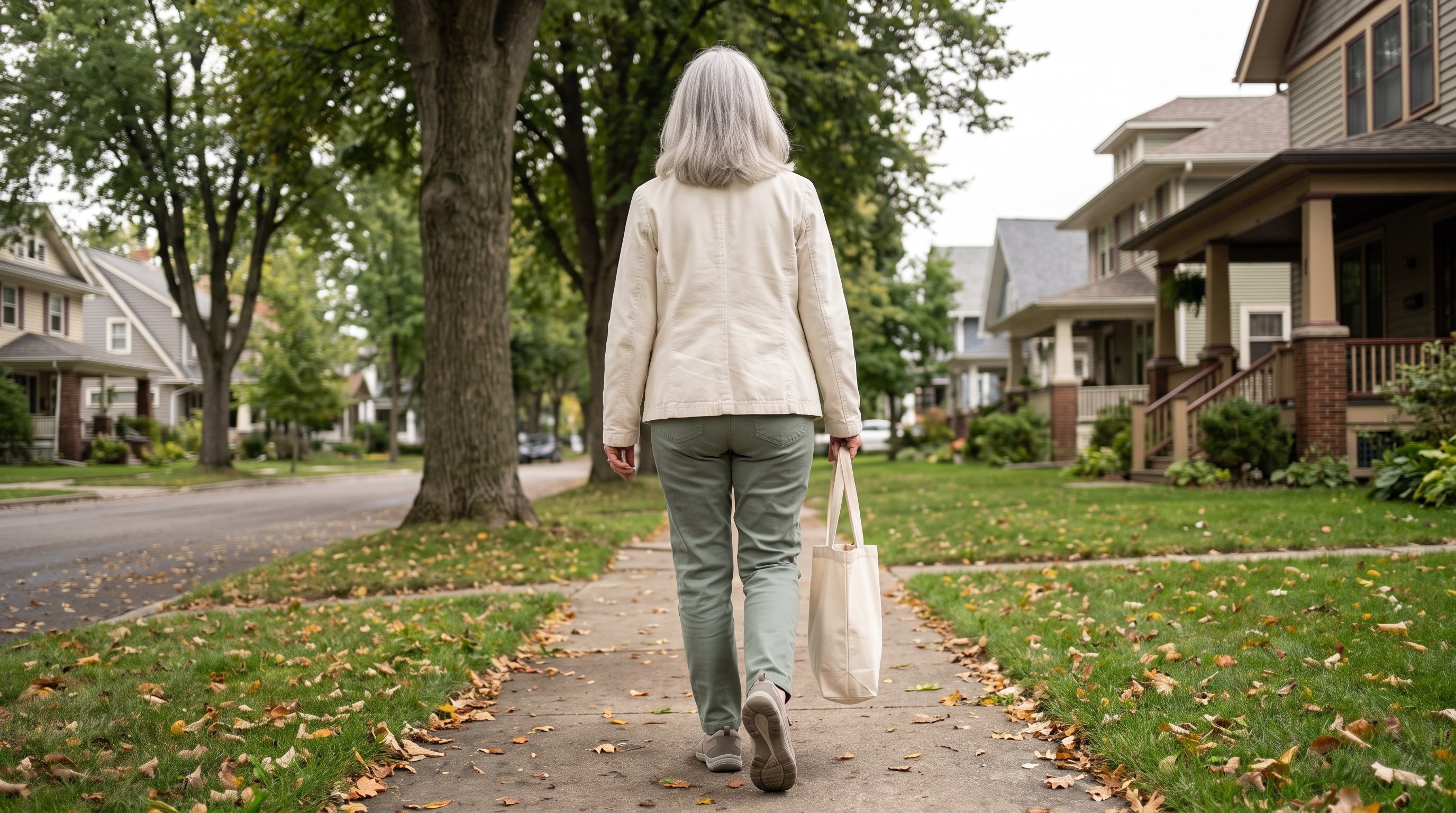
Choose flat, even surfaces and a supportive pair of shoes before worrying about pace. Slower walking still counts toward the weekly total - consistency matters more than speed here.
If You've Plateaued
Add a second short walk to your day rather than pushing one long walk harder. Small increases in frequency tend to be easier on the body than sudden jumps in intensity.
Making Daily Walking Work With Real Eating Habits
Walking creates the calorie gap, but what fills your plate afterward decides whether that gap stays open.
A short walk followed by a large snack can cancel out the deficit entirely, while a walk paired with a protein-rich meal tends to keep hunger steadier through the afternoon.
This is where a meal plan built around food you already like helps, because it removes the guesswork of what to eat after exercise without asking you to count every bite.
Senior Diet pairs its high-protein meal plans with step tracking, so the walking and the eating side of the equation live in the same place instead of being managed separately.
The Myth That Walking Burns Fat From One Spot
Plenty of people start walking hoping it will shrink the waistline specifically, or firm up one particular area.
That's not how the body works. Walking burns calories from the body's overall stores, and where that fat comes from is decided by genetics, not by which muscles are moving.
The honest answer is that walking supports weight loss across the whole body over time, not in a chosen spot, and that's still a solid reason to keep doing it.
Pairing Senior Diet With a Walking Habit
Walking does its job best when the rest of the day supports it, and that's exactly where Senior Diet fits in.
The app's step counter sits next to its water and weight trackers, so a daily walk isn't a separate task floating outside your routine - it's logged alongside everything else in one place.
Add the low-impact guided exercise sessions for days when joints need a gentler option, and the lifestyle challenges for a nudge to keep the streak going, and walking becomes one part of a wider, easier-to-hold routine rather than something you have to white-knuckle alone.
Feel Younger Every Day
Healthy Aging Made Simple
Turning a Daily Walk Into a Lasting Routine
Pick one time of day for your walk and attach it to something you already do, like right after breakfast or right before the evening news, so it stops needing a decision each day.
Senior Diet's step tracker can hold the daily number for you, which takes one more thing off your plate while the habit settles in.
FAQ
Most people see the most benefit from walking most days of the week, building toward 30 minutes or more per session as comfort allows. The exact number matters less than doing it consistently, since repeated short walks add up the same way one long walk does.
Walking burns fewer calories per minute than running, but it rarely gets skipped the way harder workouts do, so the weekly total often holds up better. A moderate amount done consistently tends to beat an intense amount done occasionally.
Shorter, slower walks on flat ground still count, and alternating with low-impact seated or standing exercises on harder days keeps movement going without forcing through pain. Supportive shoes and even surfaces make a bigger difference than most people expect.
Walking only creates part of the calorie gap - the rest comes from what you eat afterward, so pairing it with a sensible eating pattern matters. Senior Diet's meal plans and step tracker work together so both sides of that equation get tracked in the same app.
Share this post