How Many Steps To Lose Weight: A Realistic Daily Target
By:Author:Senior Diet Editorial
Updated on:October 18, 2026

- Does Hitting a Step Count Really Shift Weight?
- How Step Counts Actually Move the Energy Needle
- How Many Steps a Day Is Actually Worth Aiming For
- Why Walking Outlasts Harder Workout Plans
- Fitting a Step Target Into a Normal Week
- The Myth That More Steps Target One Area
- What Changes How Much a Step Habit Delivers
- Common Mistakes People Make Chasing a Step Count
- Making a Step Habit Easier With Senior Diet
- Turning a Daily Step Target Into a Lasting Routine
There is no single magic step count, but a commonly cited range of 7,000 to 10,000 steps a day is a reasonable target for most older adults aiming to shift their energy balance over time.
Steps burn energy through plain movement, and when the energy you burn consistently outpaces what you eat, weight tends to move downward - slowly, not overnight.
This article covers the mechanism behind step counts and weight, how much is actually worth aiming for, why walking beats harder workouts for sticking with it, and the mistakes that quietly undo progress.
Does Hitting a Step Count Really Shift Weight?
Walking burns energy, plain and simple - the more steps you take, the more energy you spend, and that spending adds up across a week.
Say a walk burns roughly 300 to 400 kilocalories (depending on pace, distance and body size). Do that five days a week and you are looking at 1,500 to 2,000 kilocalories spent through walking alone, on top of whatever your body burns just existing.
A kilogram of body fat represents a large store of energy, so no single walk makes a visible dent. But stacked over weeks, a steady step habit combined with mindful eating can tip the balance in your favour without any extreme measures.
How Step Counts Actually Move the Energy Needle
Two things decide whether steps help with weight: how many you take, and what you eat around them.
Movement Adds Up Across the Day
Every step is a small energy cost, and those costs compound - a walk to the shop, a lap of the garden, and stairs at home all count toward the same daily total.
Eating Habits Decide What the Steps Are Working Against
If steps burn energy but meals replace it all and more, the scale will not move. Steps work best alongside a steady, not restrictive, approach to food.
How Many Steps a Day Is Actually Worth Aiming For
Starting Where You Are Beats Starting Where You Think You Should Be
If you currently walk 3,000 steps a day, aiming straight for 10,000 is a recipe for sore joints and quitting. Building up in stages keeps the habit alive long enough to matter.

| Stage | Daily Step Target | Notes |
|---|---|---|
| Week 1 to 2 | 4,000 to 5,000 steps | Short walks, twice daily |
| Week 3 to 4 | 5,500 to 6,500 steps | Add one longer walk |
| Week 5 to 6 | 7,000 to 8,000 steps | Steady daily rhythm |
| Week 7 onward | 8,000 to 10,000 steps | Maintain, adjust for joints |
These numbers are a starting framework, not a rule - someone with knee discomfort might plateau lower and still see steady benefit.
Why Walking Outlasts Harder Workout Plans
Compare walking against something like a structured gym circuit with weights and intervals - the circuit may burn more energy per minute, but it also demands more recovery, more equipment and more willpower to start.
Walking needs none of that. You can do it in regular shoes, in short bursts, and still count it toward the same daily total.
The workout that gets repeated beats the workout that gets skipped, and walking is repeated far more often simply because it asks so little of you.
Fitting a Step Target Into a Normal Week
A step target only works if it survives contact with a real week - grocery runs, appointments, weather, tired days.
Breaking steps into two or three shorter walks rather than one long one tends to fit better around a normal schedule and is kinder on joints.
Pairing a step habit with a meal plan built around food you already like makes the whole thing easier to sustain, which is part of what a comprehensive weight-loss app focuses on alongside its step, water and weight trackers.
The Myth That More Steps Target One Area
Walking more does not target fat on the stomach, hips or anywhere else - the body does not let you choose where energy comes from.
Where weight changes first is determined by genetics and individual biology, not by which muscles you used on a walk.
The honest answer is that steps help with overall energy balance, and the body decides the rest on its own schedule.
What Changes How Much a Step Habit Delivers
Not all step habits deliver the same result - a few factors decide how much a given step count actually moves the needle.
Factors That Matter Most
- Consistency across the week - steps taken most days beat a single long walk followed by several sedentary ones.
- What happens at meals - a step habit paired with steady, high-protein eating holds its ground better than one undone by extra snacking.
- Pace and effort - a brisker walk burns more energy per step than a slow amble, within what feels comfortable for your joints.
Common Mistakes People Make Chasing a Step Count
Jumping Straight to 10,000
Setting an ambitious target from day one often leads to sore feet and a quit date. Build up in stages instead, as shown in the table above.
Ignoring What's Eaten Alongside the Walking
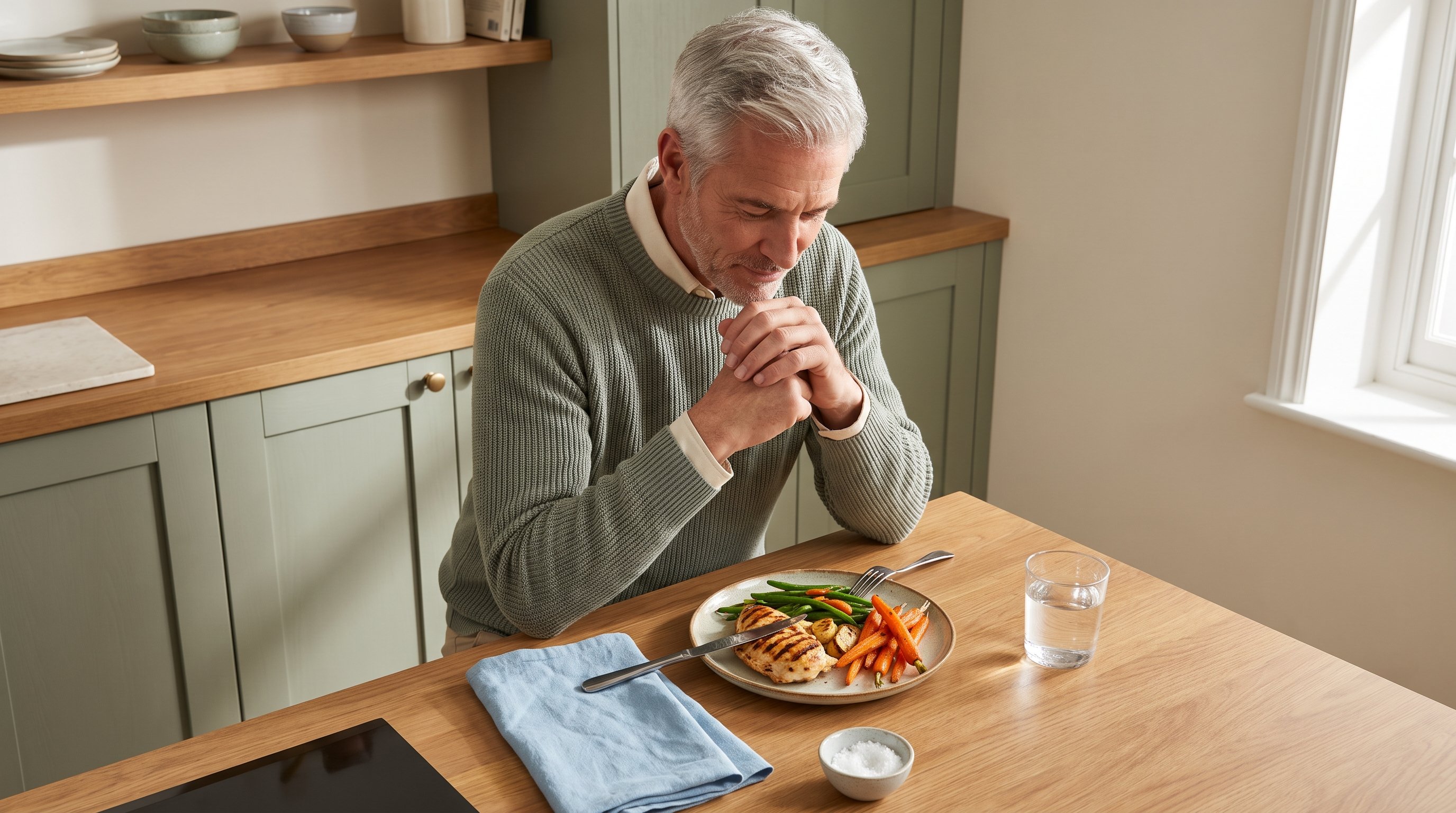
Steps burn energy, but a bigger plate at dinner can cancel the whole effort out. Keep an eye on meals, not just the step counter.
Treating One Big Walk As Enough
A single long walk on a Sunday does not replace daily movement. Spreading steps across the week matters more than one impressive outing.
Stopping After a Setback
Missing a few days because of weather, pain or travel is normal. The habit survives when you pick it back up without treating the gap as failure.
Making a Step Habit Easier With Senior Diet
Hitting a step target is easier when it is not the only thing you are tracking in your head.
Senior Diet keeps a step counter, water tracker and weight tracker in one place, so progress is visible without extra effort or separate apps.
It also pairs a high-protein meal plan and low-impact guided exercise sessions with the step habit, so the eating side and the movement side are working toward the same goal instead of pulling against each other.

Feel Younger Every Day
Healthy Aging Made Simple
Turning a Daily Step Target Into a Lasting Routine
The step count that works best is the one you can repeat next week, and the week after that, without dreading it.
Start with whatever you walk today, add a little most weeks, and let a tool like Senior Diet keep the numbers - steps, water, weight - in view so the habit stays visible instead of forgotten.
FAQ
A commonly cited range is 7,000 to 10,000 steps a day, though starting lower and building up tends to work better for most older adults. The right number depends on current fitness, joint comfort and how it fits your week.
Walking burns real energy, and that energy use adds up across days and weeks even though no single walk feels dramatic. Consistency, not intensity, is what makes the difference over time.
Building up gradually and spreading steps across shorter walks tends to be kinder on joints than one long session. A lower, steady step count held consistently still counts for something.
Progress often slows when eating habits creep up to match the extra energy burned from walking. Senior Diet's trackers for steps, water and weight can help keep both sides of the equation visible at once.
Share this post