Qigong For Beginners: A Gentle Start To Daily Movement
By:Author:Senior Diet Editorial
Updated on:October 18, 2026
- The Myth That Qigong Fixes Things Fast
- How Qigong Movement and Breathing Actually Work
- What Changes How Much Qigong Helps
- A Realistic First Week of Qigong Practice
- Making Qigong Work Around a Normal Week
- When Qigong Starts to Feel Familiar
- Common Mistakes People Make Starting Qigong
- Supporting a Qigong Habit With Senior Diet
- Turning Ten Quiet Minutes Into a Daily Habit
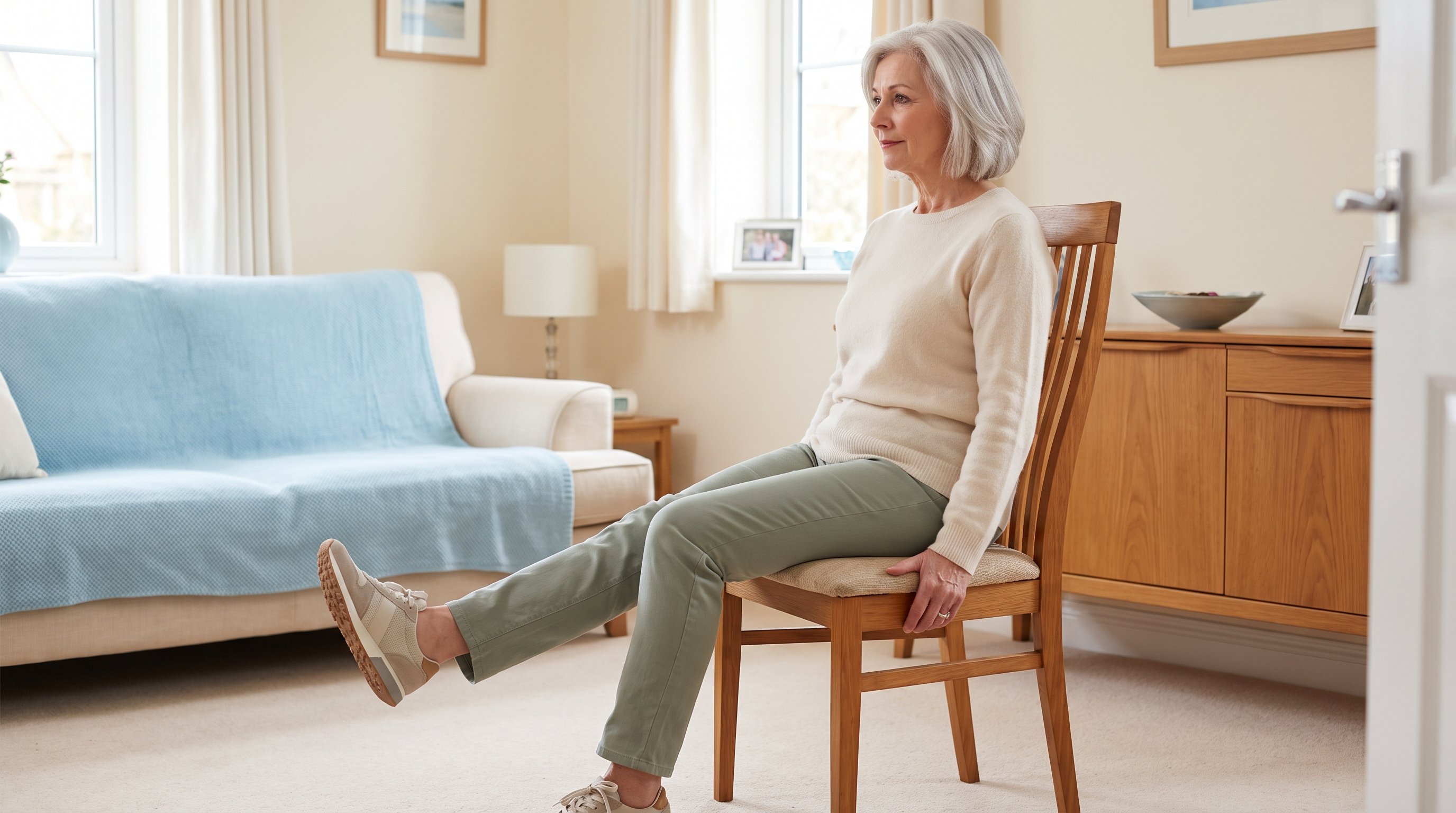
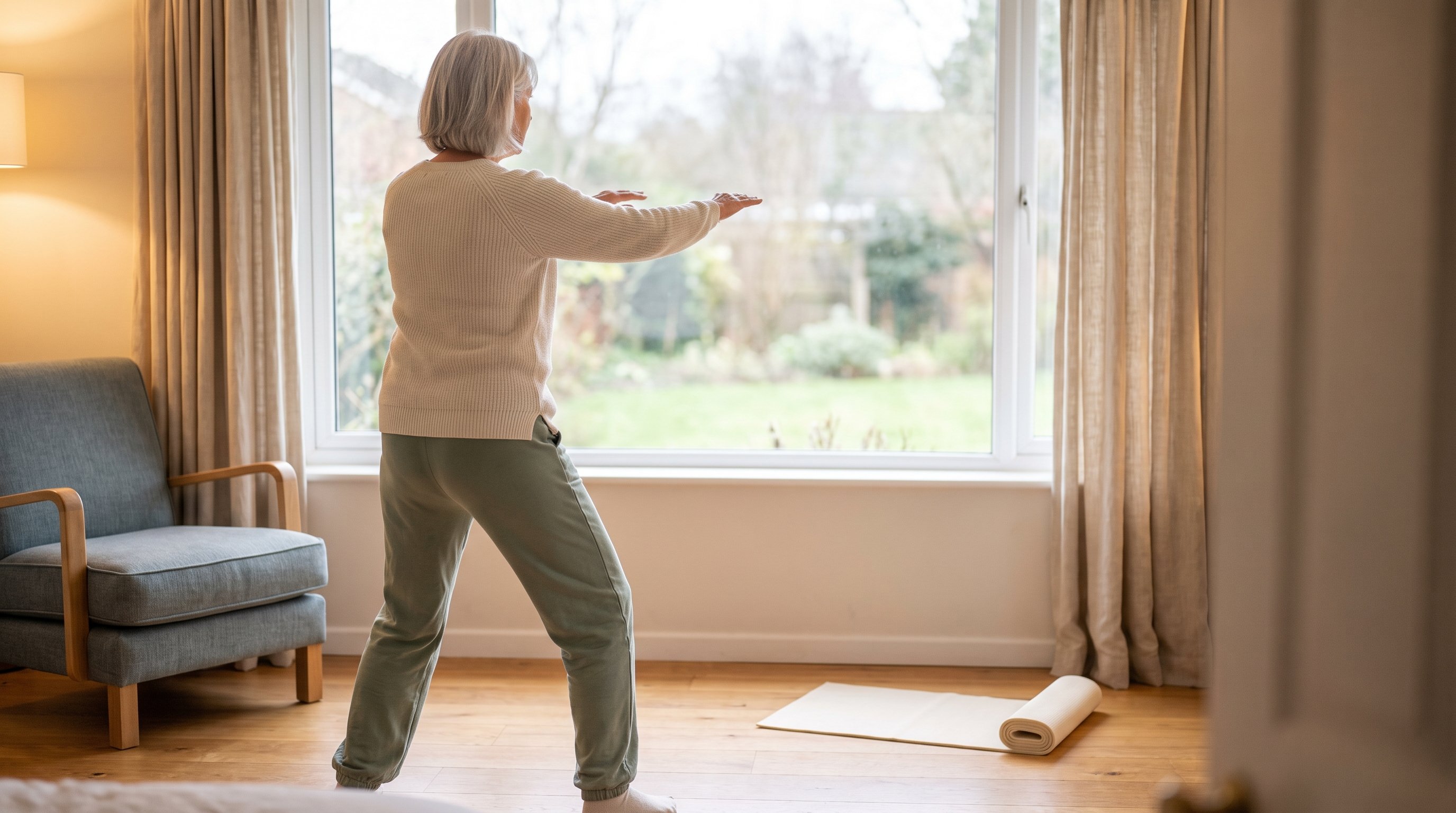
Qigong for beginners is simple: slow, repeated movements paired with steady breathing, done standing or seated, with no equipment needed. You don't need flexibility, strength or prior experience to start - you need about ten minutes and a bit of floor space.
The movements work by combining gentle joint motion with slower, deeper breathing, which helps the body shift out of a tense, rushed state and into a calmer one. Nothing about it is mystical - it's coordinated movement and breath, repeated often enough to become familiar.
This guide covers how qigong actually works, what changes the results you get from it, what a first week looks like, where people tend to quit, and the mistakes worth avoiding from day one.
The Myth That Qigong Fixes Things Fast
Some people come to qigong expecting a quick fix for stiff joints, poor sleep or low energy, almost overnight. That's not how slow movement practices work, and it's worth saying plainly rather than letting the hope sit there unchecked.
The body doesn't change shape or function after one or two sessions of anything - gentle movement included. What qigong can realistically offer is a repeatable habit of slow breathing and low-impact motion that, done regularly, supports mobility and a steadier mood over time.
There's also no version of qigong, or any exercise, that targets fat loss in one area of the body. The honest answer is that consistent movement and eating habits affect the whole body together, not a single spot you'd like to change.
How Qigong Movement and Breathing Actually Work
Qigong pairs two simple ingredients - slow repeated movement and controlled breathing - and the combination is what makes it different from just stretching or just sitting still.
The Movement Side
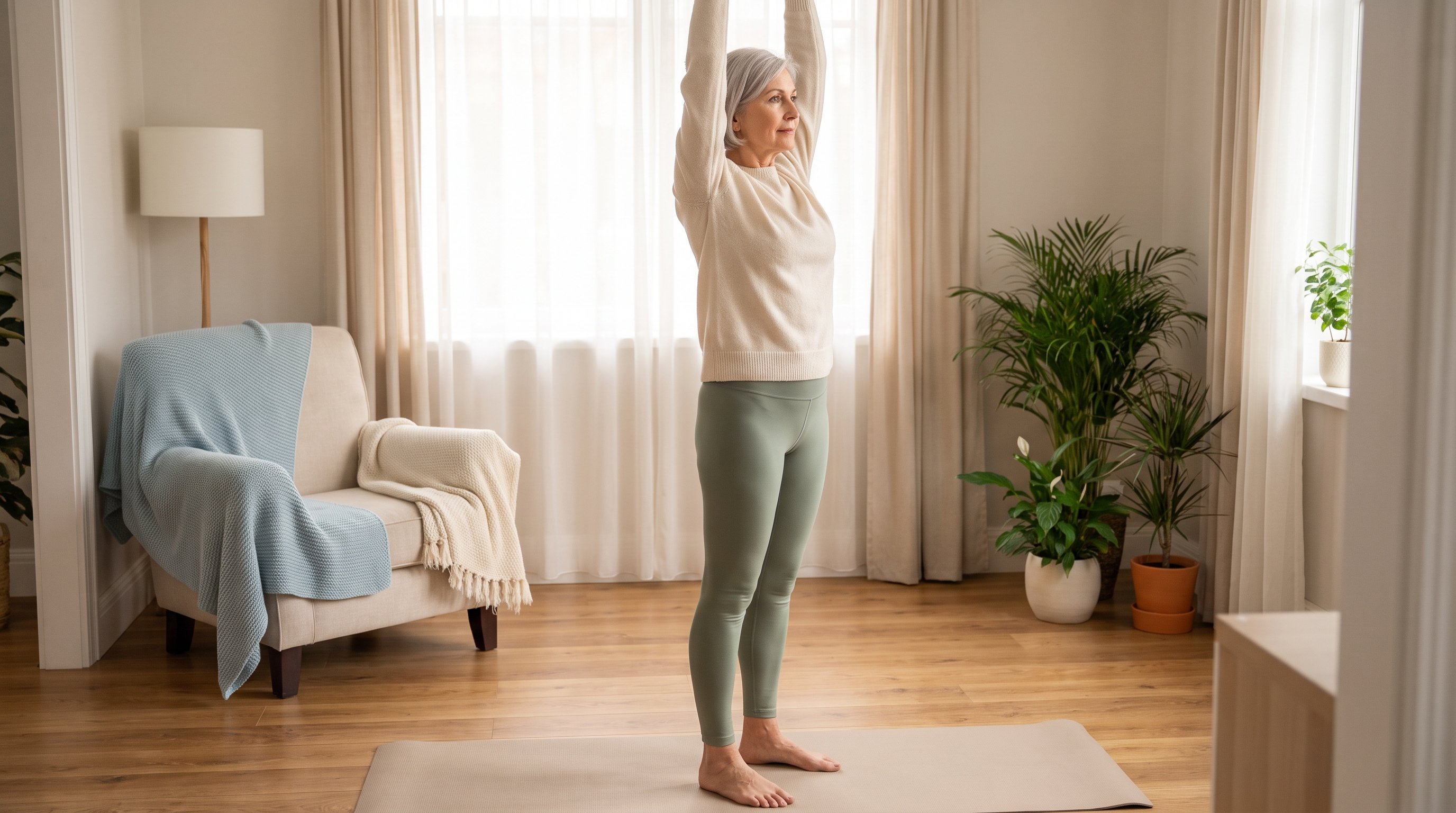
Each qigong form uses slow, continuous motion through the arms, shoulders, spine and legs, usually at a pace far below normal walking speed. That slowness means joints move through their range without sudden load, which is part of why it's considered low-impact.
The Breathing Side
Breathing in qigong is typically slower and deeper than resting breath, often timed to match the rise and fall of the arms or the shift of weight between feet. Slowing the breath down this way is a simple, learnable skill, not something that requires any special lung capacity.
Put together, slow movement plus slow breathing gives the body a repeated, low-effort signal to settle down, which is the whole mechanism - no mystery ingredient involved.
What Changes How Much Qigong Helps
Not everyone gets the same amount out of a qigong practice, and the differences usually come down to a short list of factors rather than the specific form chosen.
Three Factors That Matter Most
- How often you show up - a short session most days builds familiarity faster than one long session a week, because the body and mind need repetition to settle into the pattern.
- Whether the breathing is actually slowed down - moving slowly while breathing in a rushed, shallow way skips half the mechanism, so pay attention to breath pace as much as arm position.
- How much tension you carry into the session - practicing qigong right after a stressful stretch of the day works, but arriving a little calmer to begin with tends to make the session feel smoother.
A Realistic First Week of Qigong Practice
A first week doesn't need variety or intensity - it needs repetition of a small, manageable routine so the body learns the pattern.
A Simple Seven-Day Starting Pattern
- Days one to two - ten minutes of standing qigong, focused only on slow arm raises and lowers paired with breath, nothing else added yet.
- Days three to four - the same ten minutes, with gentle knee bends and weight shifts between feet added to the arm movement.
- Day five - a rest day, or a shorter five-minute version if you'd rather keep the habit visible on the calendar.
- Days six to seven - back to the full ten-minute routine, paying closer attention to slowing the breath rather than adding new movements.
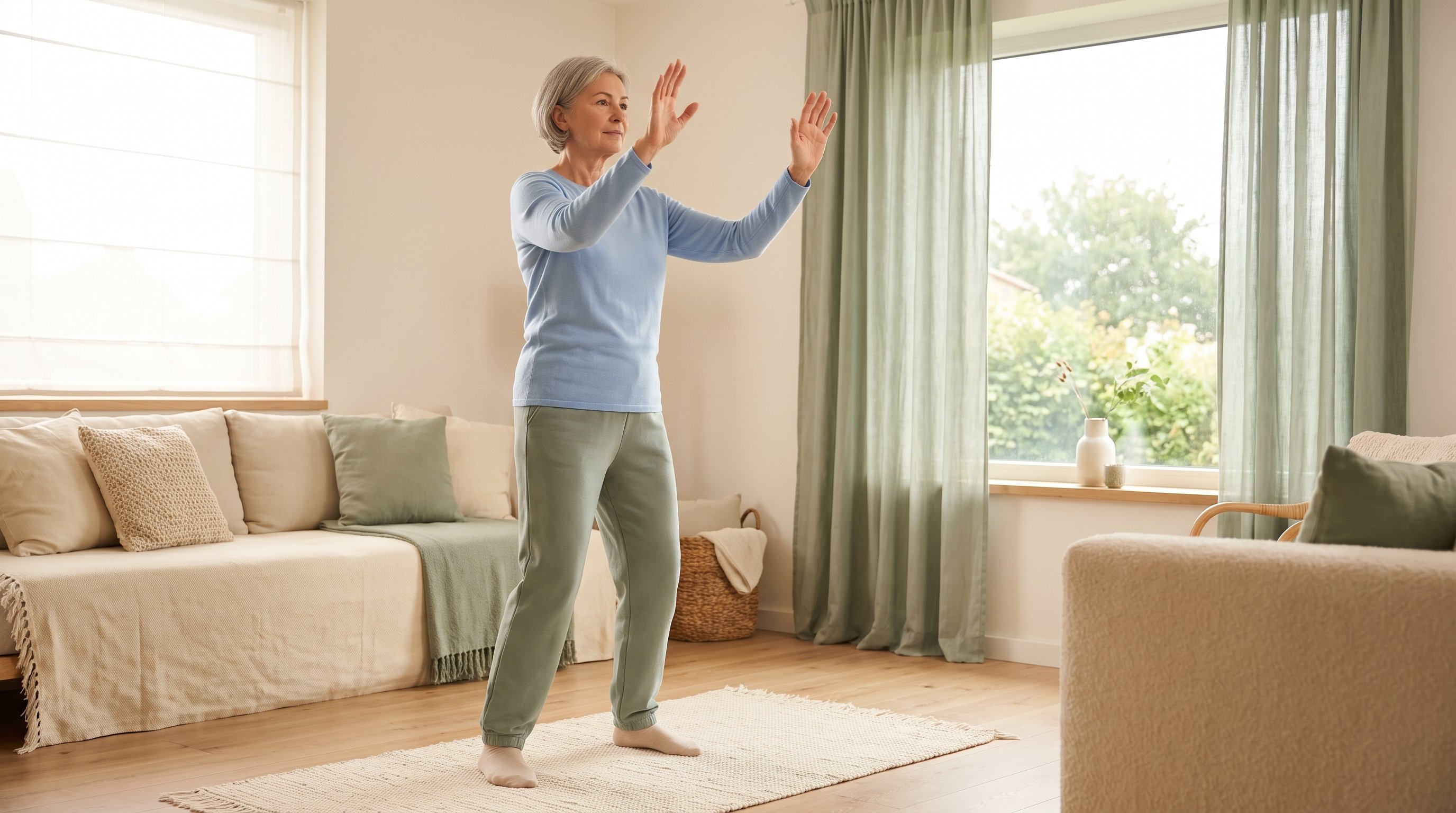
By the end of a week like this, the goal isn't mastery - it's simply recognising the pattern well enough to do it without checking a guide every time.
Making Qigong Work Around a Normal Week
Qigong fits into odd pockets of time better than most exercise - before coffee, during a TV ad break, or right after getting out of bed, since it needs no equipment and barely any space.
What tends to help more than the qigong session itself is what happens around it - what you eat that day and how much you're moving otherwise. A meal-planning and tracking platform can sit alongside a qigong habit on days you want a bit more movement, and its trackers keep steps and water in one place so you can see the fuller picture of the week rather than just the one practice.
None of this requires an overhaul - adding ten quiet minutes to a day that already has a rhythm is usually enough to keep it going.
When Qigong Starts to Feel Familiar
It's fair to ask when qigong will start to feel easier or more natural, and the honest answer is that it varies from person to person and depends on how often you practise.
Most people quit in the first couple of weeks, usually because the movements still feel unfamiliar and the benefit isn't obvious yet. That's the exact point where sticking with a short, simple routine matters more than making it longer or more complicated.
Rather than watching for a specific result on a specific day, it helps to notice smaller signals - remembering the sequence without checking notes, or finding the breathing pace comes more naturally than it did at first.
Common Mistakes People Make Starting Qigong
Rushing the Movements
Moving at a normal pace defeats much of the point - slow the motion down further than feels necessary at first, and the breathing will follow more naturally.
Learning Too Many Forms at Once
Jumping between several different qigong routines in the first weeks makes none of them familiar - pick one simple sequence and repeat it before adding variety.
Holding the Breath During Movement
It's common to accidentally hold the breath while concentrating on arm position - keep checking in and letting the breath flow continuously instead.
Treating It As a One-Off
A single session won't do much on its own - the benefit comes from the repetition, so a short daily habit beats an occasional long one.
Ignoring the Rest of the Day
Qigong doesn't exist in isolation from eating habits, hydration or overall activity, so pair it with attention to the rest of the day rather than expecting it to carry everything on its own.
Supporting a Qigong Habit With Senior Diet
A qigong habit holds up better when the rest of the day supports it, and that's where food and tracking come in rather than the movements themselves.
Senior Diet builds a high-protein meal plan around food you already like, with easy-to-follow recipes and shopping lists that take the guesswork out of eating well on a qigong practice day. Its progress trackers cover steps, water, weight and fasting, and its lifestyle challenges and coach support give you something to lean on when motivation dips, while the low-impact exercise library gives you more guided sessions to pair with your qigong routine.
Feel Younger Every Day
Healthy Aging Made Simple
Turning Ten Quiet Minutes Into a Daily Habit
The simplest next step is picking one short qigong sequence and doing it at the same point in the day for a week, before judging whether it's working.
Pairing that habit with steady eating and a bit of tracking - the kind high-protein meal plans and activity trackers offer - gives the whole week more structure than the exercise alone ever could.
FAQ
Qigong alone is low-impact and burns relatively little compared with brisker activity, so it's not a weight-loss tool on its own. It works best alongside steady eating habits and other movement, which is where a plan like Senior Diet offers high-protein meals and tracked activity to make the rest of the week count.
Seated qigong versions exist for exactly this reason, and standing forms can usually be adapted near a wall or chair for support. Going slowly and stopping if anything feels unstable is part of the practice, not a departure from it.
Just enough room to raise both arms out to the sides without hitting anything, and no equipment at all. A chair nearby is useful for seated versions or for support during standing ones.
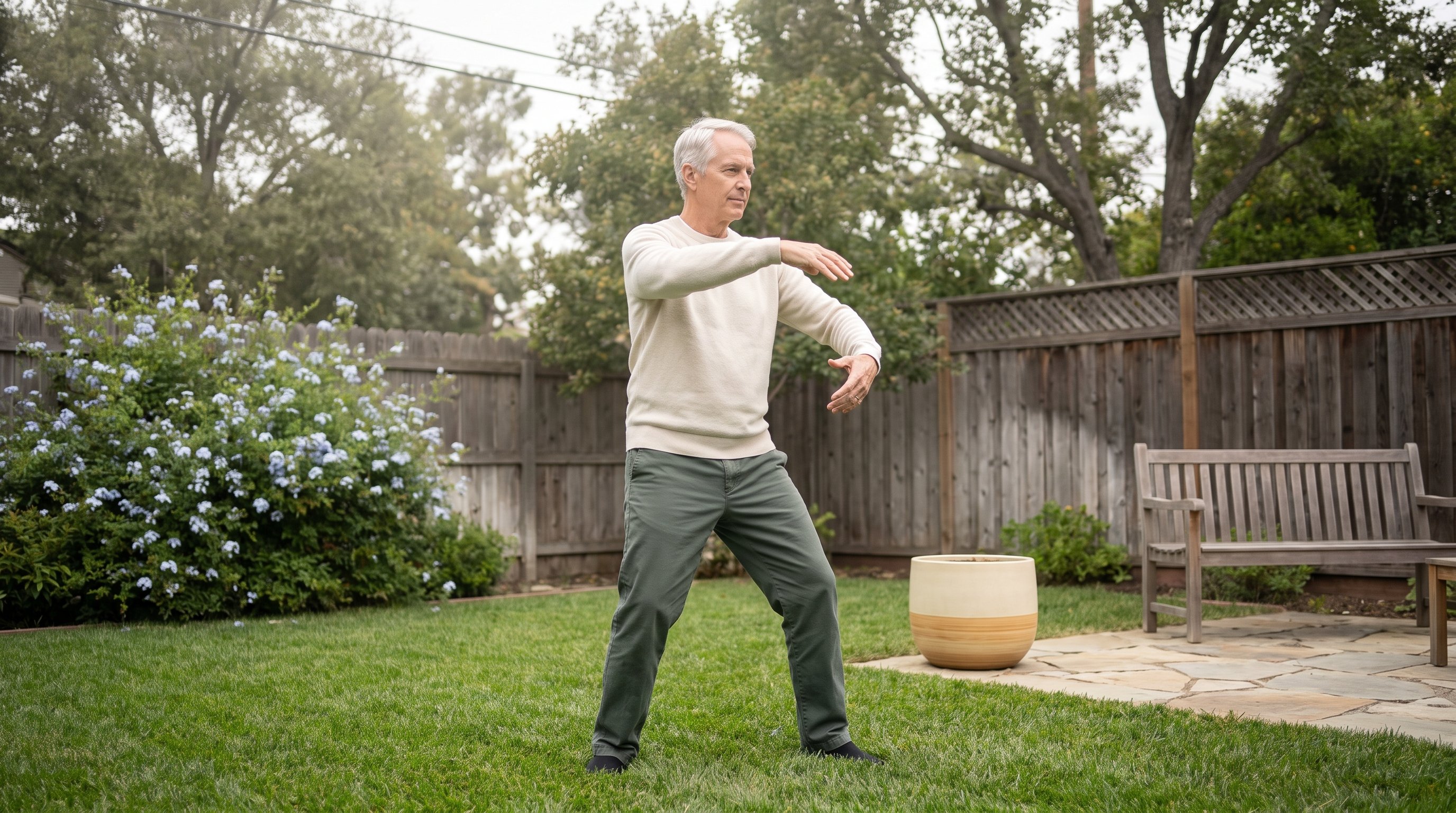
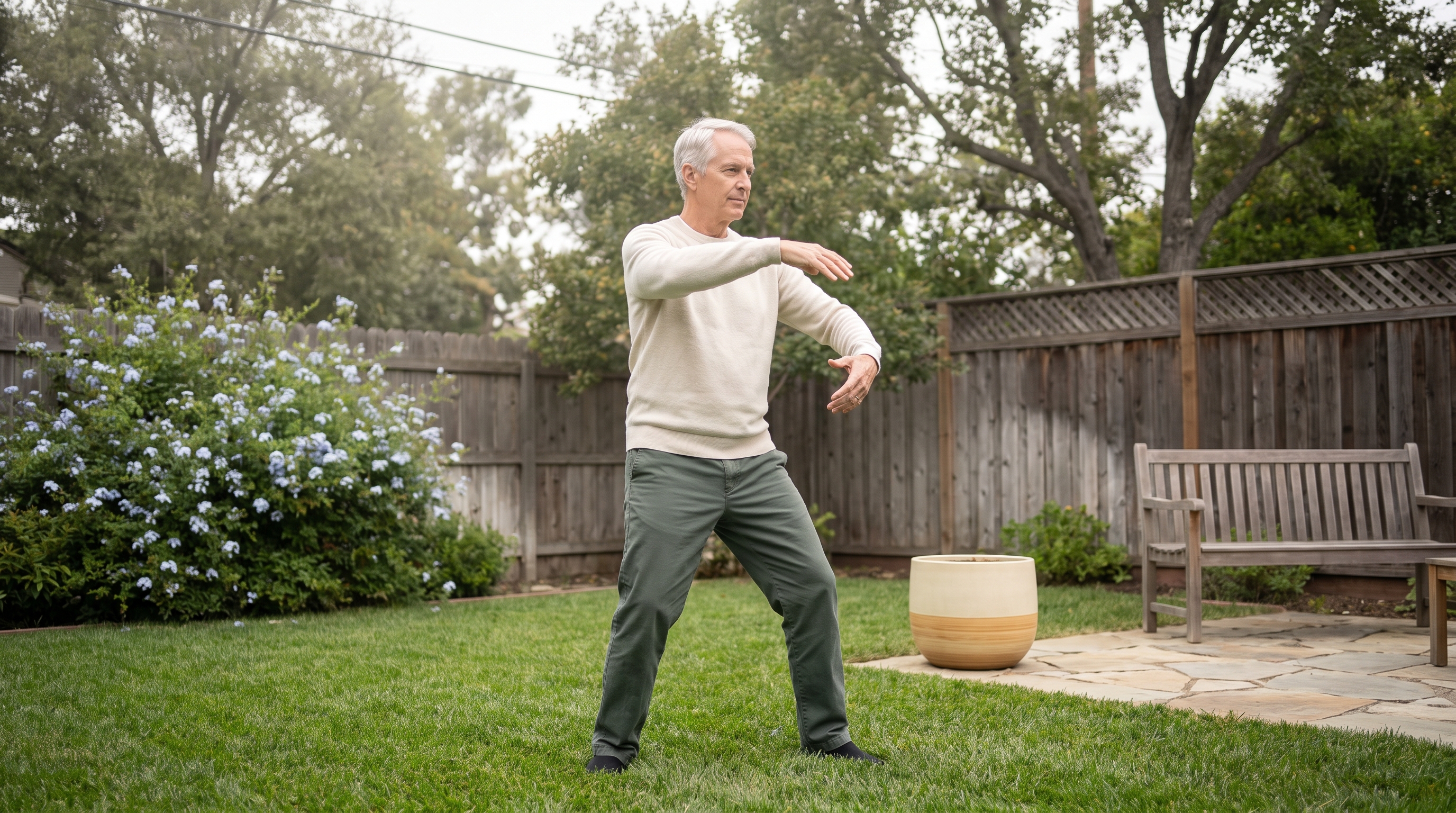
That's common with any repeated practice, and it usually means it's time to add one small variation rather than abandon it entirely. Keeping the core sequence the same while changing the setting - outdoors instead of indoors, for example - often brings interest back without losing the habit.
Share this post