Exercises for Longevity: A Gentle Guide for Later Life
By:Author:Senior Diet Editorial
Updated on:October 18, 2026

- Does Moving More Really Support a Longer Healthy Life?
- What Longevity Exercise Actually Does Inside Your Body
- How Many Sessions a Week Actually Count
- Why Gentle and Regular Beats Hard and Occasional
- Making Longevity Exercise Work Around a Normal Week
- The Myth That One Workout Adds Years to Your Life
- Three Things That Actually Move the Needle
- Mistakes That Quietly Undo a Longevity Routine
- Building Longevity Exercise Into Senior Diet's Daily Plan
- Keeping a Longevity Routine Going Past the First Month
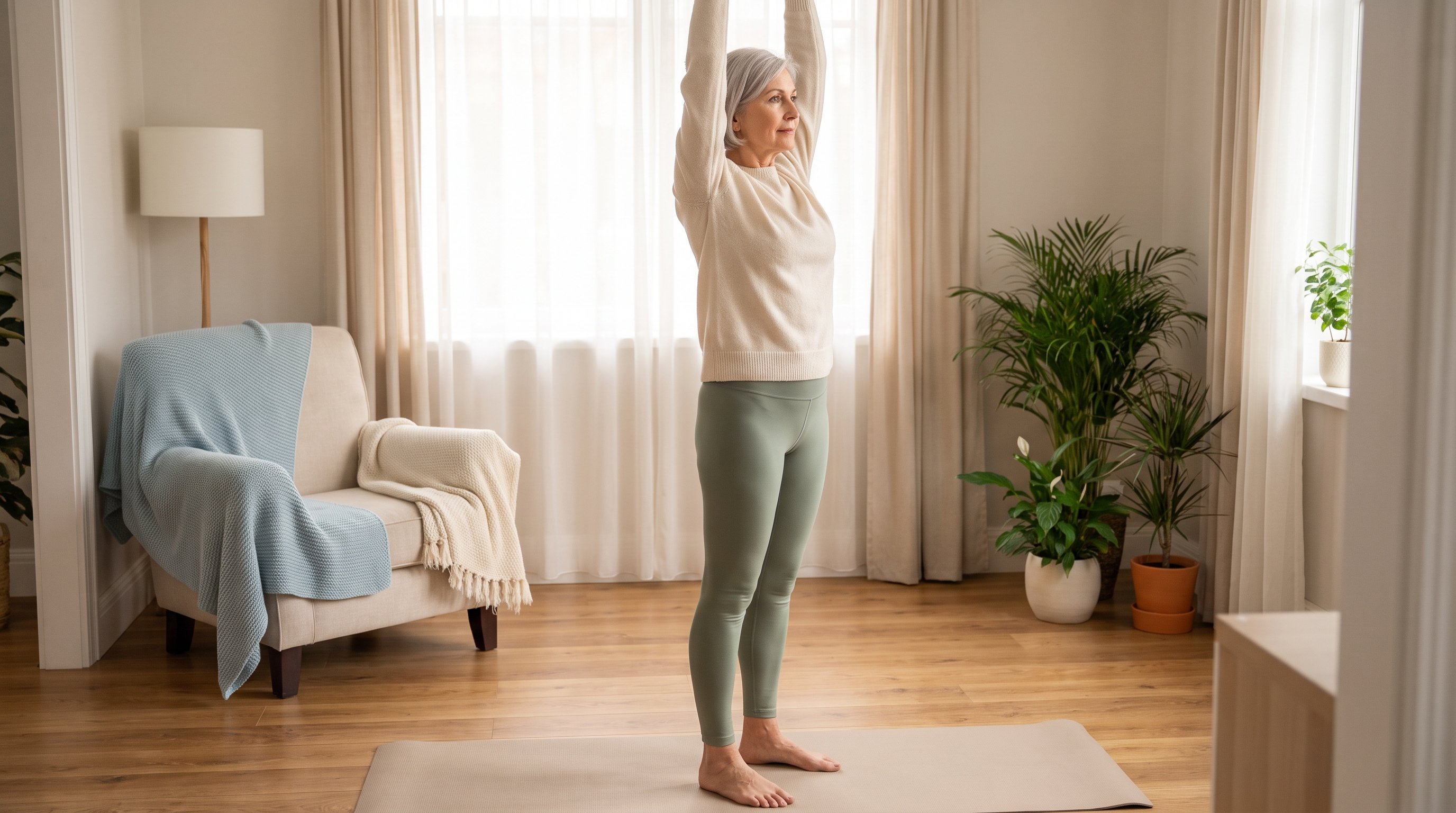
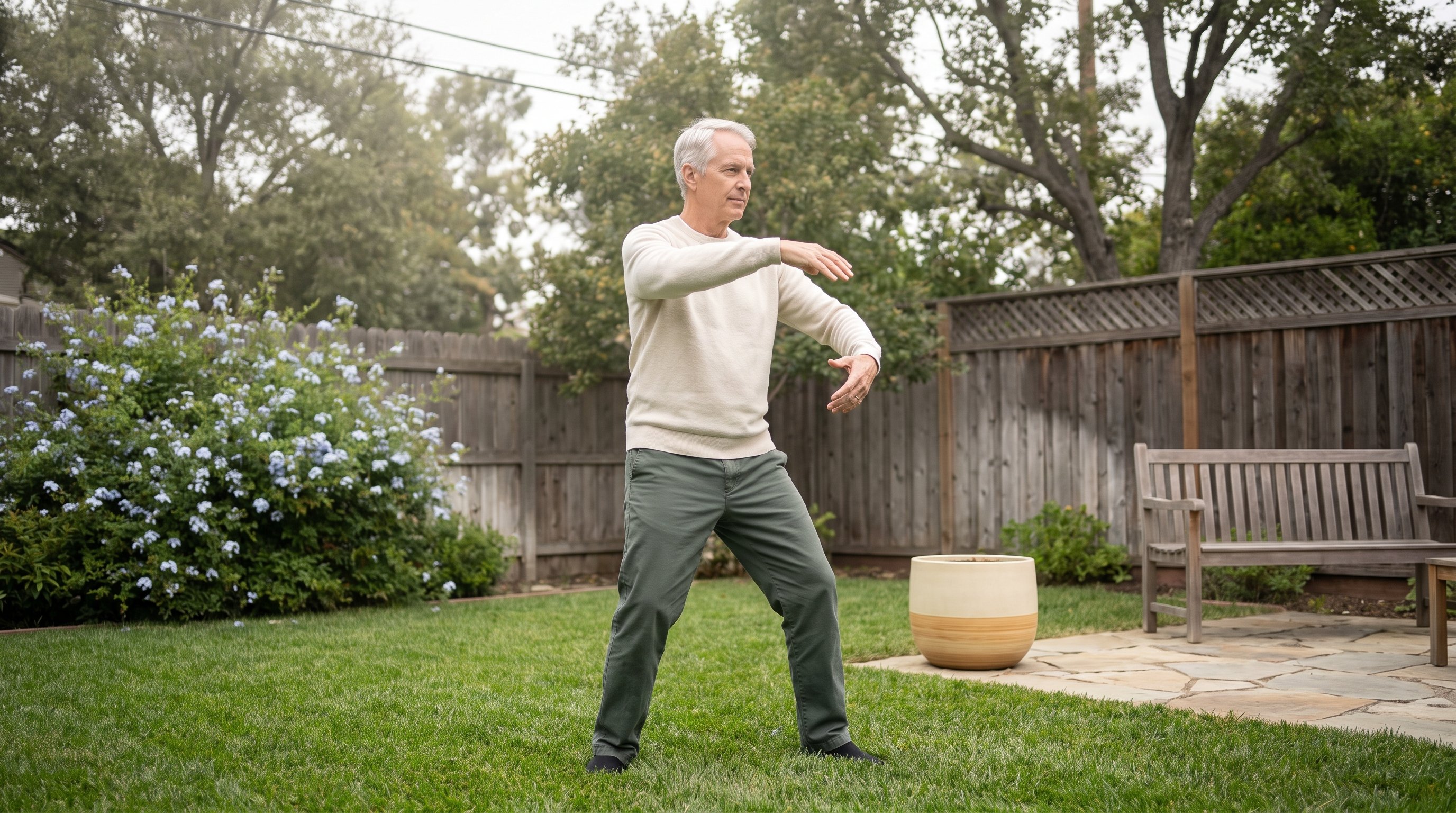
Exercises for longevity work by keeping your heart, muscles, joints and balance system active often enough that they don't decline faster than they need to. There's no single move that adds years on its own, but regular, low-impact movement supports the systems that tend to fail first as people age.
The mechanism is simple: muscle that goes unused weakens, joints that don't move stiffen, and a heart that's rarely challenged gets less efficient. Movement done consistently - not hard, just consistent - keeps all three working better for longer.
This article covers whether exercise for longevity actually holds up, how much movement is realistic, where people go wrong, and how to build a routine that fits an ordinary week rather than an ambitious one.
Does Moving More Really Support a Longer Healthy Life?
The honest answer is that movement supports the conditions for a longer, more active life - it doesn't guarantee a number of extra years. What it does is keep muscle mass, joint mobility and cardiovascular capacity closer to where they'd naturally sit if you were younger.
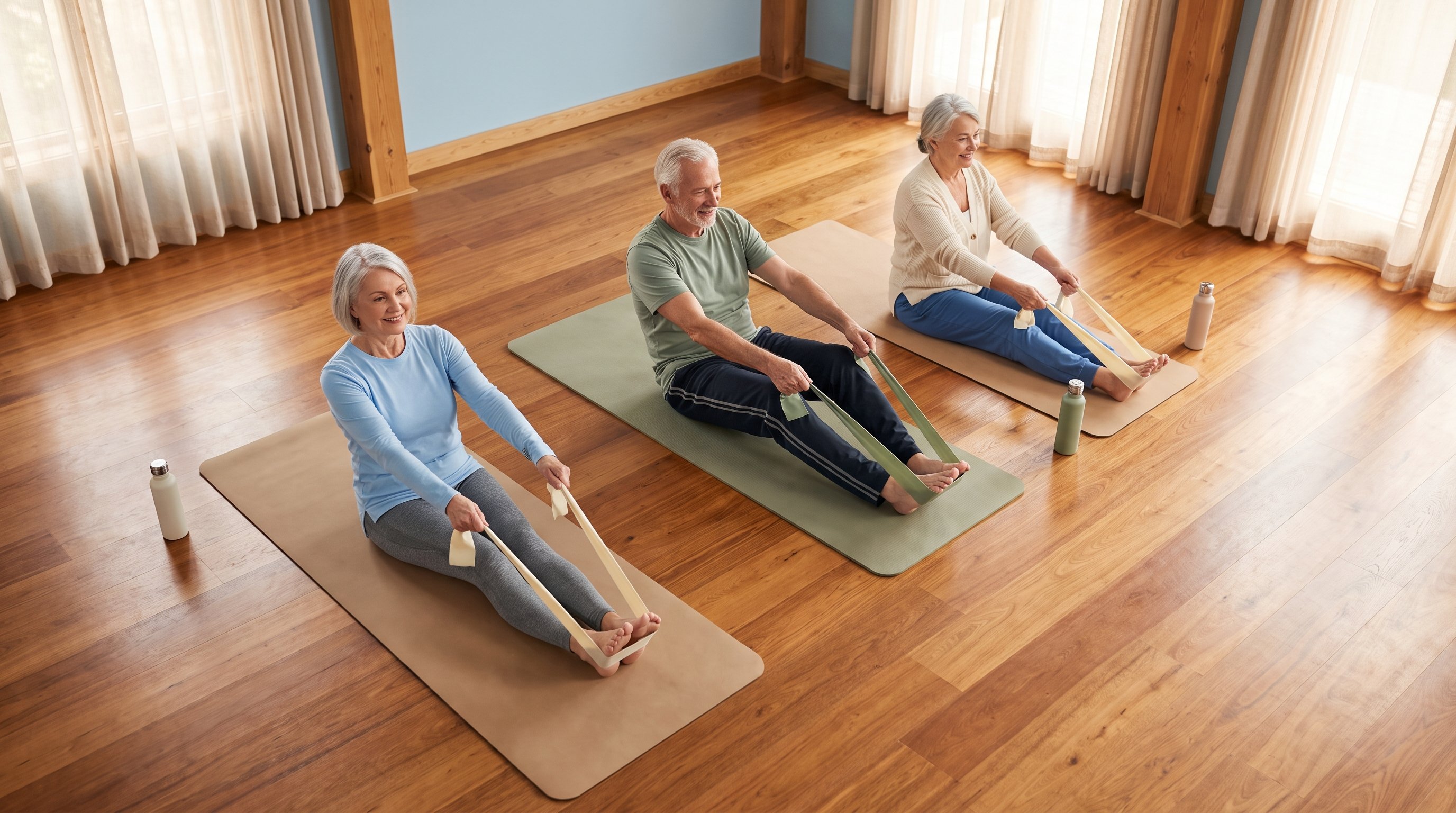
Muscle mass declines with age when it isn't used, and that decline affects balance, strength for daily tasks, and how easily you recover from a fall or illness. Low-impact exercise - walking, resistance bands, swimming, chair-based strength work - gives muscles a reason to stay functional.
The arithmetic is plain: a body that uses its muscles and joints several times a week keeps more function than one that doesn't, simply because use is what maintains tissue. That's not a promise of extra years - it's a mechanism, and mechanisms are the only honest thing to build on.
What Longevity Exercise Actually Does Inside Your Body
Longevity-focused movement works on two fronts at once: the muscular-skeletal system and the cardiovascular system. Both respond to regular, moderate use rather than occasional intense effort.
Strength and Balance Work Protect Daily Function
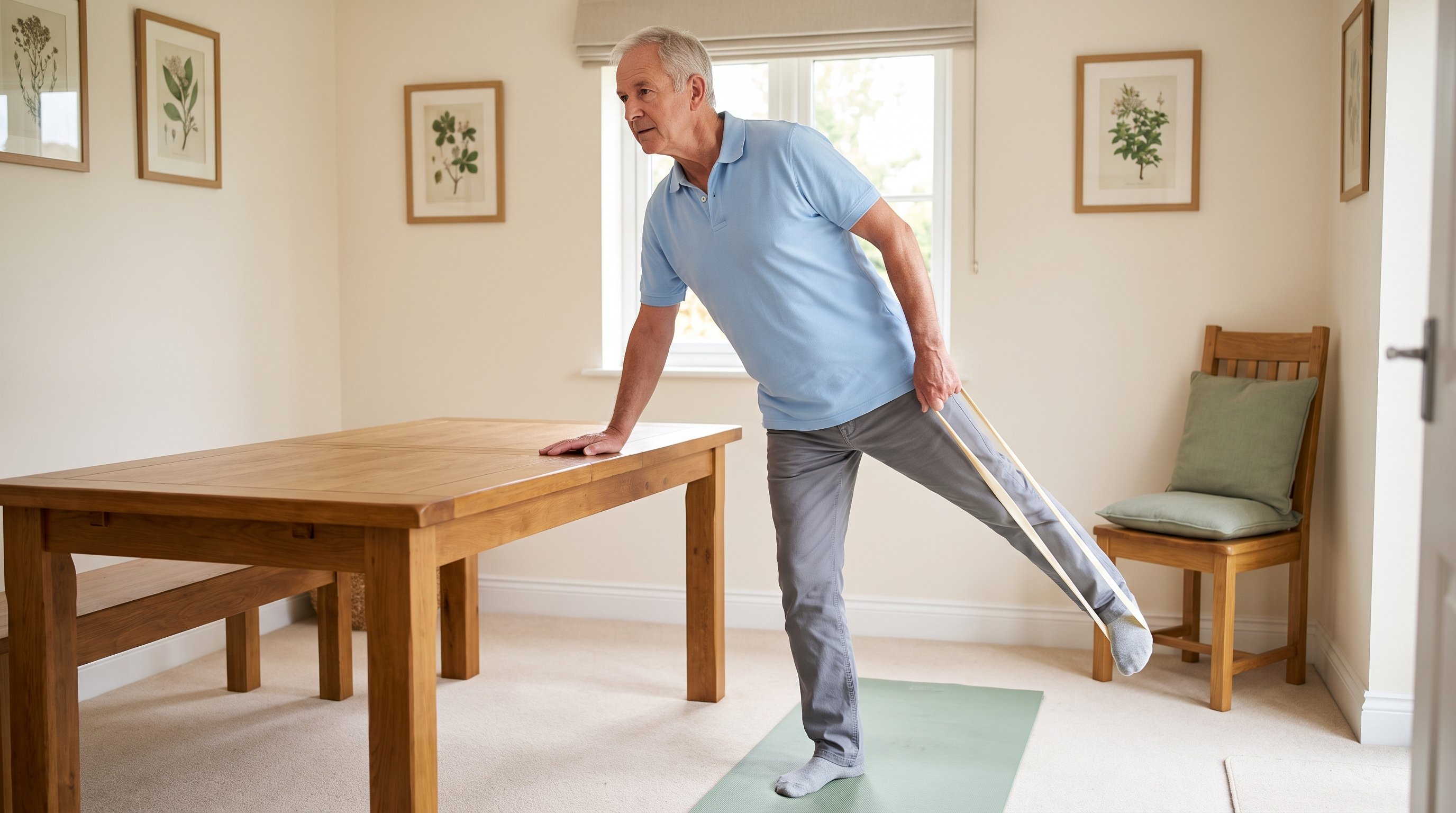
Light resistance work - bands, bodyweight, or seated leg raises - signals muscle to maintain itself rather than shrink. Balance exercises train the inner ear and legs to react faster, which matters for staying steady on uneven ground.
Gentle Cardio Keeps the Heart Efficient
Walking, swimming, or light cycling asks the heart to pump a bit harder than resting, which keeps blood vessels and heart muscle responsive. Over time this kind of steady, repeated effort is what keeps everyday tasks - stairs, carrying groceries - from feeling harder than they should.
Neither piece works alone. Strength without cardio leaves the heart under-stimulated; cardio without strength leaves muscles and balance behind.
How Many Sessions a Week Actually Count
There's no need for daily hour-long sessions - the body responds to regular, moderate movement spread across the week.
Spreading Movement Across the Week
Splitting activity into short sessions several days a week tends to be more sustainable than one long session, because it fits around energy levels, joint pain and other commitments.
| Exercise Type | Frequency | Duration |
|---|---|---|
| Walking | Most days | 15-30 minutes |
| Resistance Bands | 2-3 times weekly | 10-15 minutes |
| Balance Work | 2-3 times weekly | 5-10 minutes |
| Gentle Swimming | 1-2 times weekly | 20-30 minutes |
| Chair Stretches | Daily | 5-10 minutes |
Why Gentle and Regular Beats Hard and Occasional
Compare two routines: a tough gym circuit done once a fortnight, versus a light walk and some band work done most days. The gym circuit looks more impressive on paper, but it's the one people quietly stop doing.
Hard sessions ask more of joints and recovery, so soreness or boredom sets in and the gaps between sessions grow until the habit disappears entirely. A gentle routine asks little enough that skipping it feels like the odd choice, not the easy one.
Adherence is the whole game here. A moderate routine done for months adds up to more total movement than an intense one abandoned after three weeks.
Making Longevity Exercise Work Around a Normal Week
Fitting movement into a real week means attaching it to things already happening - a walk after lunch, band work while watching television, balance exercises while brushing teeth.
None of this needs a gym membership or special kit, which is exactly why it survives busy weeks and bad-weather days.
Keeping track of steps, water and weight in one place makes it easier to notice patterns without overthinking them, and that's where Senior Diet's trackers and guided low-impact sessions fit in - a way to see progress without turning movement into another chore.
The Myth That One Workout Adds Years to Your Life
No single workout, supplement or week of effort adds a fixed number of years to anyone's life, and any claim that promises that isn't being straight with you.
The body doesn't bank extra years from a good week the same way it doesn't lose them from a bad one. What actually happens is slower, less dramatic: consistent movement over months and years keeps muscle, joints and heart function closer to their best, which supports a more active day-to-day life.
The real answer is unglamorous - it's the sum of ordinary weeks, not any single standout session, that matters.
Three Things That Actually Move the Needle
Not every factor matters equally. These three carry most of the weight for how much longevity exercise actually delivers.
What Changes the Outcome Most
- Consistency over months - a moderate routine kept up for a long stretch beats any short burst of intensity.
- A mix of strength and cardio - working muscle and heart together covers more ground than either alone.
- Enough protein to support muscle - movement gives muscle a reason to stay, but it still needs the raw material to rebuild.
Mistakes That Quietly Undo a Longevity Routine
Starting Too Hard Too Soon
Jumping into long or intense sessions in week one often causes soreness that stops movement entirely for days. Starting smaller and building up keeps the habit alive long enough to matter.
Skipping Strength Work Entirely
Walking alone is valuable but doesn't ask much of upper-body or core muscle. Adding light resistance work covers the gap without needing heavy weights.
Treating Rest Days As Wasted Days
Muscle adapts during rest, not during the session itself. Skipping recovery to do more every day can leave joints and muscles more tired, not stronger.
Ignoring Balance Training
Strength and cardio get the attention, but balance work is what prevents a fall from undoing months of progress. A few minutes a few times a week is enough to keep it in the routine.
Building Longevity Exercise Into Senior Diet's Daily Plan
Pulling a longevity routine together usually means juggling exercise, food and tracking separately, which is where most people lose momentum.
Senior Diet brings low-impact, guided exercise sessions together with a high-protein meal plan, step and weight trackers, and lifestyle challenges, so strength, cardio and recovery sit in one place instead of three apps. The guided sessions are built for schedules and joints that need a gentler pace, and the tracker shows how steps, water and weight move together over time.

Feel Younger Every Day
Healthy Aging Made Simple
Keeping a Longevity Routine Going Past the First Month
The routines that last are the ones that ask little enough to survive a bad week - a short walk, a few minutes of bands, a bit of balance work. Pick one of those to start this week rather than trying to add all of them at once.
Senior Diet can hold the tracking and the guided sessions so the only decision left each day is showing up for a few minutes.
FAQ
Exercise supports the systems - muscle, heart, balance - that tend to decline with age, which can mean more active years rather than a guaranteed number of extra ones. No single session or routine can promise a specific outcome.
Walking is a strong base for cardiovascular health, but it doesn't do much for upper-body strength or balance reactions. Pairing it with light resistance and balance work covers more of what longevity depends on.
Low-impact options like seated exercises, water-based movement or short resistance-band sessions put less strain on joints than standing or high-impact workouts. Starting with just a few minutes and building slowly tends to work better than pushing through pain.
This is the most common point where routines fall apart, usually because the plan was too ambitious to begin with. Senior Diet's trackers and guided sessions can make the habit visible day to day, which often makes it easier to pick back up than starting from scratch.
Share this post