Tai Chi For Seniors: A Gentle Way To Move Daily
By:Author:Senior Diet Editorial
Updated on:October 18, 2026
- The Myth That Slow Movement Means Weak Results
- What Actually Happens in the Body During Tai Chi
- Three Things That Change How Much Tai Chi Helps
- What a Realistic Tai Chi Week Looks Like
- Fitting Tai Chi Around a Normal Week
- When Tai Chi Starts to Feel Familiar
- Common Mistakes People Make Starting Tai Chi
- Supporting a Tai Chi Habit With Senior Diet
- Making Slow Movement a Lasting Part of Daily Life
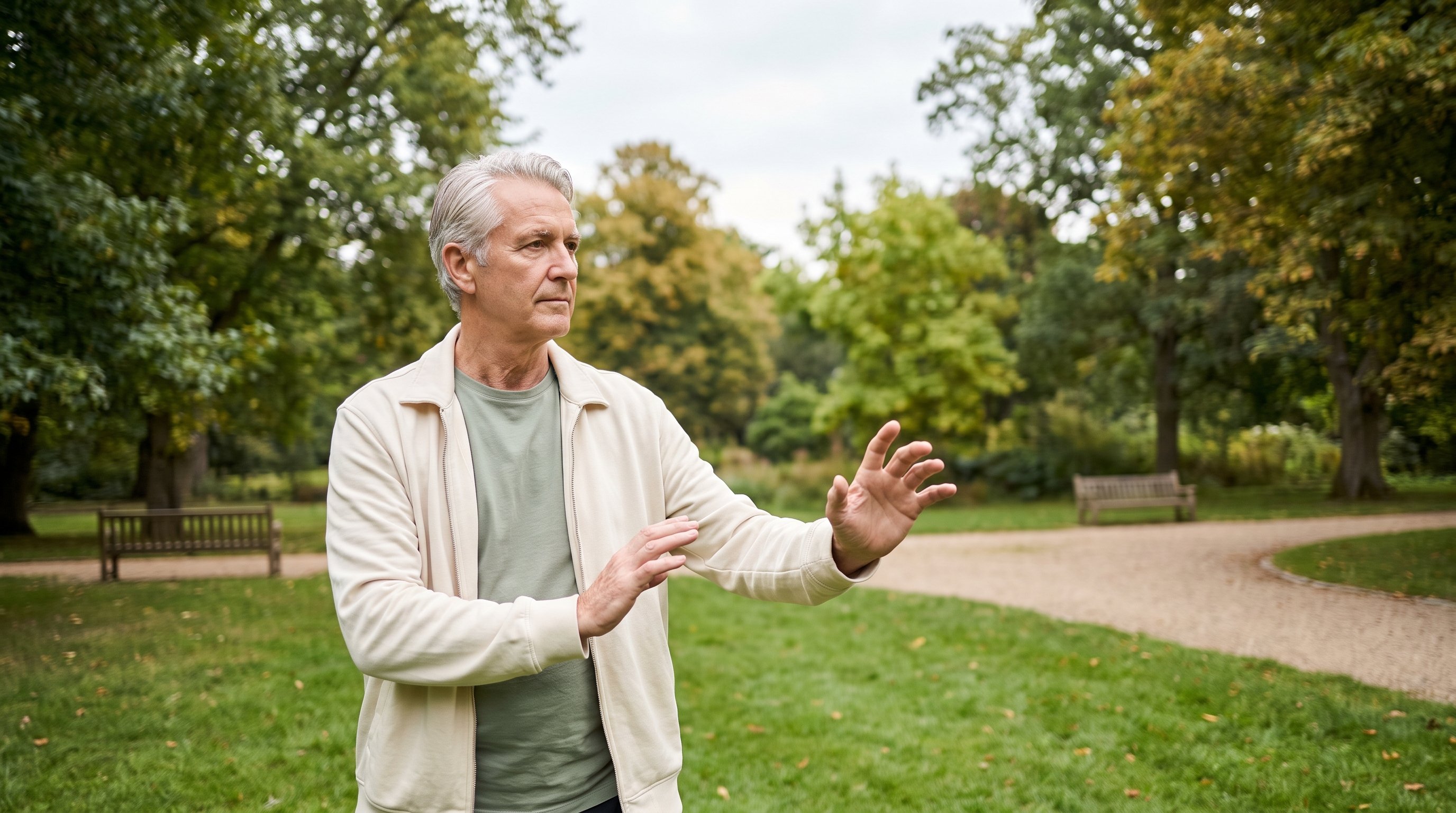
Tai chi helps older adults move better by training balance, slow-controlled strength and steady breathing all at once - not by burning a set number of calories in a session.
The mechanism is simple: shifting weight slowly from leg to leg, while keeping knees soft and spine upright, asks the body to practise the exact control it needs to avoid stumbles and stiffness.
This article covers what this gentle practice actually does, how to build it into a normal week, where people usually quit, and how a few other habits can support the practice without complicating it.
The Myth That Slow Movement Means Weak Results
A lot of people assume tai chi is too gentle to matter, as if only sweating hard counts as exercise.
That's not how the body reads effort. Holding a slow squat-like stance for several breaths, then shifting weight with control, asks the leg muscles and inner ear to work together in a way that fast, bouncy movement often skips past.
The real answer: tai chi will not reshape any one body part, and no form of exercise does that. What it can do is build the kind of steady, whole-body control that makes daily movement - standing from a chair, turning to check behind you, walking on uneven ground - feel more secure over time.
What Actually Happens in the Body During Tai Chi
Tai chi works through two connected mechanisms: balance training and slow muscular loading.
Balance Gets Rehearsed on Purpose
Every slow weight shift from one leg to the other forces the brain and inner ear to recalculate where the body is in space, again and again, in a low-risk setting.
Muscles Work Longer Instead of Harder
Holding a bent-knee stance or moving through a pose slowly keeps the leg and core muscles under tension for longer than a quick movement would, which is a different kind of work than lifting something heavy fast.
Three Things That Change How Much Tai Chi Helps
Not every tai chi session delivers the same value. These three factors matter more than how long any single class runs.
What Moves the Needle
- How slow the movement actually is - rushing through a form turns it into light cardio instead of a balance and control drill.
- How often it happens each week - a few short sessions spread across the week beat one long session for building steady balance.
- Whether the stance is low enough to feel work in the legs - standing too upright with locked knees removes most of the muscular benefit.
What a Realistic Tai Chi Week Looks Like
There's no need to attend daily classes to get something out of this. A simple weekly pattern is often more sustainable than an intense one.
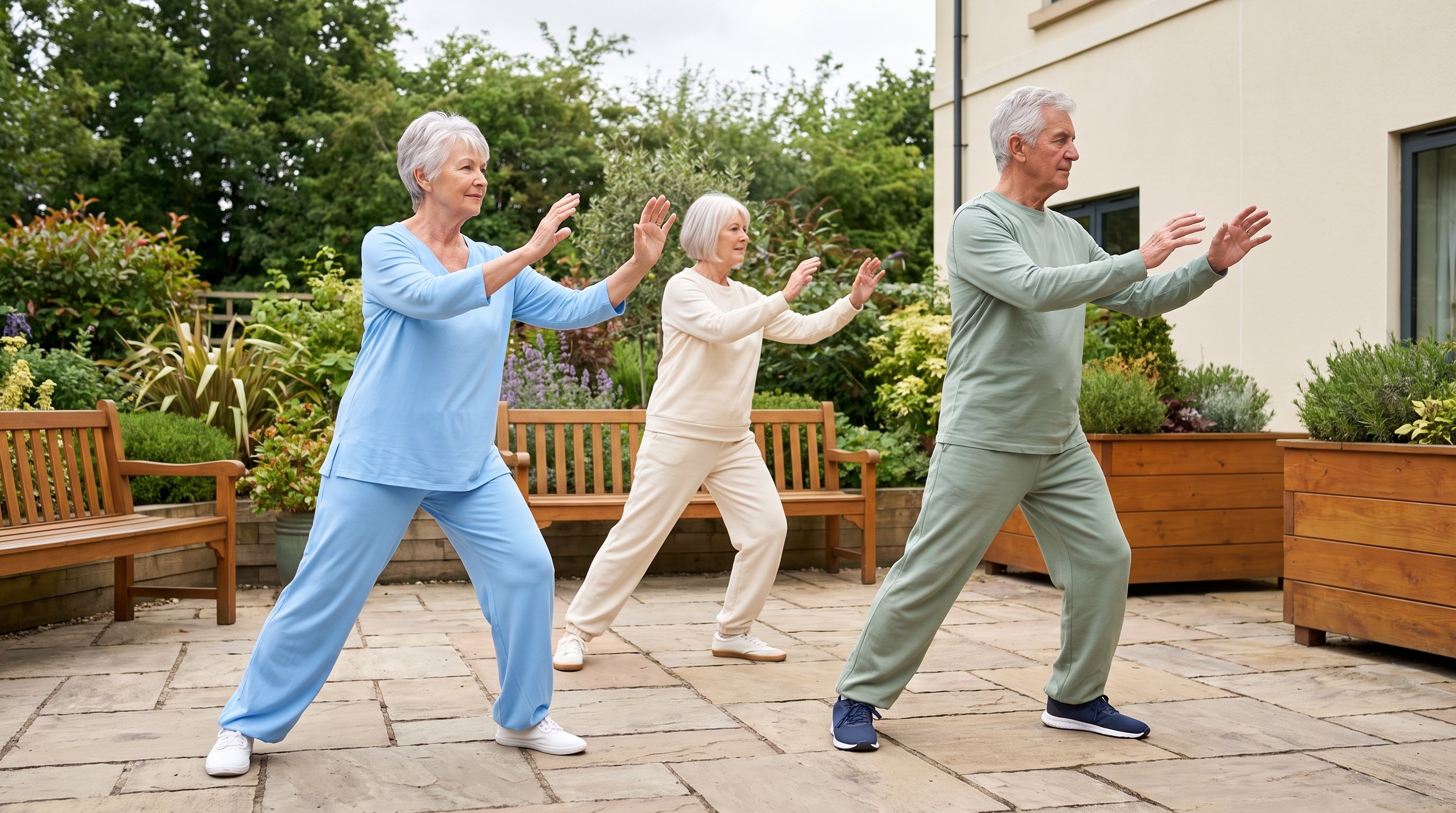
A Sample Week
- Monday, Wednesday, Friday - fifteen to twenty minutes of a simple tai chi form, done slowly, ideally outdoors or near a window.
- Tuesday and Thursday - five to ten minutes of standing weight shifts and slow breathing, used as a short reset between other activities.
- Weekend - one longer, unhurried session, or simply repeating the weekday pattern if the week has been full.
Fitting Tai Chi Around a Normal Week
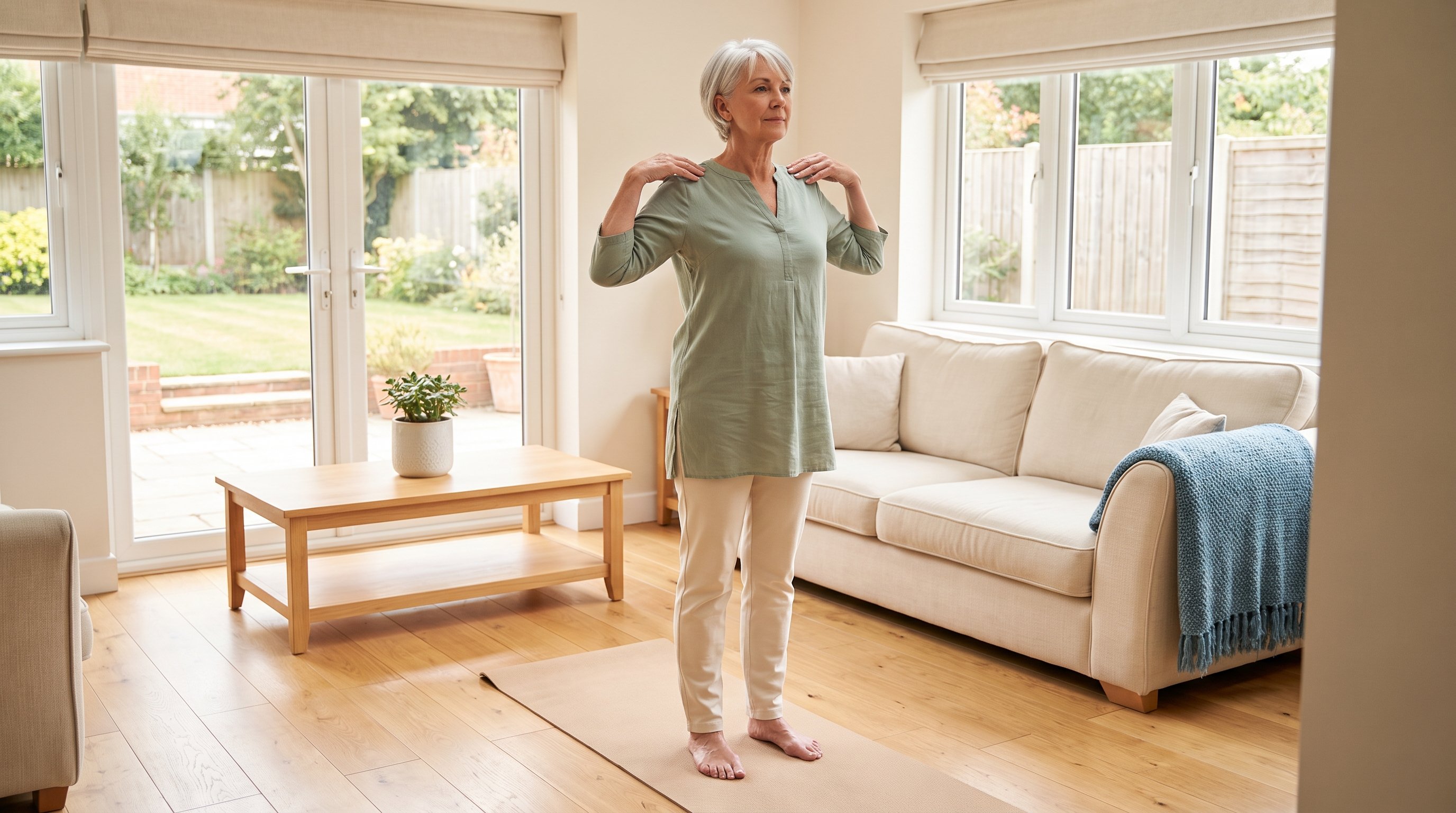
Tai chi doesn't need a studio, special shoes or a block of free time - a rug in the living room and a few quiet minutes are enough.
The harder part is usually remembering to do it and noticing whether it's actually helping with sleep, mood or stiffness over time.
This is where keeping steps, water and weight in one place can help, since it gives a simple way to see whether a slow-movement habit is sitting alongside other changes like better sleep or steadier energy - something Senior Diet's trackers are built to support alongside its library of low-impact, guided sessions.
When Tai Chi Starts to Feel Familiar
The first week or two usually feels awkward, and that's normal for any new movement pattern.
Balance improvements and a sense of steadier footing tend to show up gradually rather than overnight, and they're easier to notice in daily tasks - like getting out of a car - than in the mirror.
Give it enough weeks that the movements stop feeling unfamiliar before deciding whether it's worth keeping. Most people who stick with it say the forms start to feel automatic well before they'd expected.
Common Mistakes People Make Starting Tai Chi
Rushing the Movements
Moving quickly through a form to get it over with removes most of the balance and control benefit; slowing down is the whole point, not a suggestion.
Skipping Warm-Up Entirely
Jumping straight into deep stances with cold muscles can feel uncomfortable; a minute or two of gentle shoulder rolls and ankle circles first makes the rest of the session easier.
Expecting a Workout That Leaves You Sweaty
Tai chi is not meant to feel like a hard cardio session, so judging it against that standard sets unfair expectations from the start.
Practising on a Slippery or Cluttered Surface
A stable, clear patch of floor matters more than any other piece of equipment, since the whole practice depends on controlled footing.
Giving Up After One Off Day
A stiff or distracted session doesn't undo the ones before it; the value comes from returning to it regularly, not from any single perfect practice.
Supporting a Tai Chi Habit With Senior Diet
Tai chi on its own covers balance and slow strength, but it sits more easily inside a week that also includes steady nutrition and a bit of structure.
Senior Diet brings together a high-protein meal plan built around food you already like, a library of low-impact guided exercise sessions, and trackers for steps, water, weight and fasting, so a tai chi habit doesn't have to stand alone as the only thing being tracked.
Lifestyle challenges and coach support inside the app give a reason to keep showing up on the days motivation is thin, and audio and video content means a short balance or stretching routine is never far from reach.
Feel Younger Every Day
Healthy Aging Made Simple
Making Slow Movement a Lasting Part of Daily Life
The most useful next step is small: pick three days this week, set a timer for ten minutes, and practise a few slow weight shifts in a clear space.
Pairing that habit with Senior Diet's trackers and guided sessions gives a simple way to see the whole picture - movement, food and rest - without needing to overhaul everything at once.
FAQ
The slow, controlled weight shifts in tai chi rehearse the same balance skills used in daily movement, so practising them regularly can help steadiness over time. It won't correct every balance issue on its own, but it gives the body repeated, low-risk practice at staying stable.
Tai chi works through sustained muscular tension and balance control rather than speed or heart rate, so it counts as a different kind of effort, not a lesser one. Many people find the legs and core feel worked even though the movements never look fast.
A clear patch of floor the size of a yoga mat is enough for most basic forms and weight-shift drills. Short daily practice in a small space tends to build the habit faster than waiting for a perfect setup.
Tai chi handles movement and balance, but it works best alongside steady nutrition and a bit of routine, which is where Senior Diet's meal plans and trackers can help keep the bigger picture in view. Neither replaces the other - they support different parts of the same week.
Share this post