Gentle Exercise: A Guide For Older Adults
By:Author:Senior Diet Editorial
Updated on:October 18, 2026

- Getting Started With Low-Impact Movement Safely
- How Much Gentle Exercise Actually Helps
- Fitting Movement Around a Real Week
- A Four-Stage Plan for Easing Into Movement
- Where Exercise Habits Usually Break Down
- Mistakes That Derail a Movement Routine
- Making Low-Impact Exercise Easier With Senior Diet
- Building a Movement Habit That Lasts
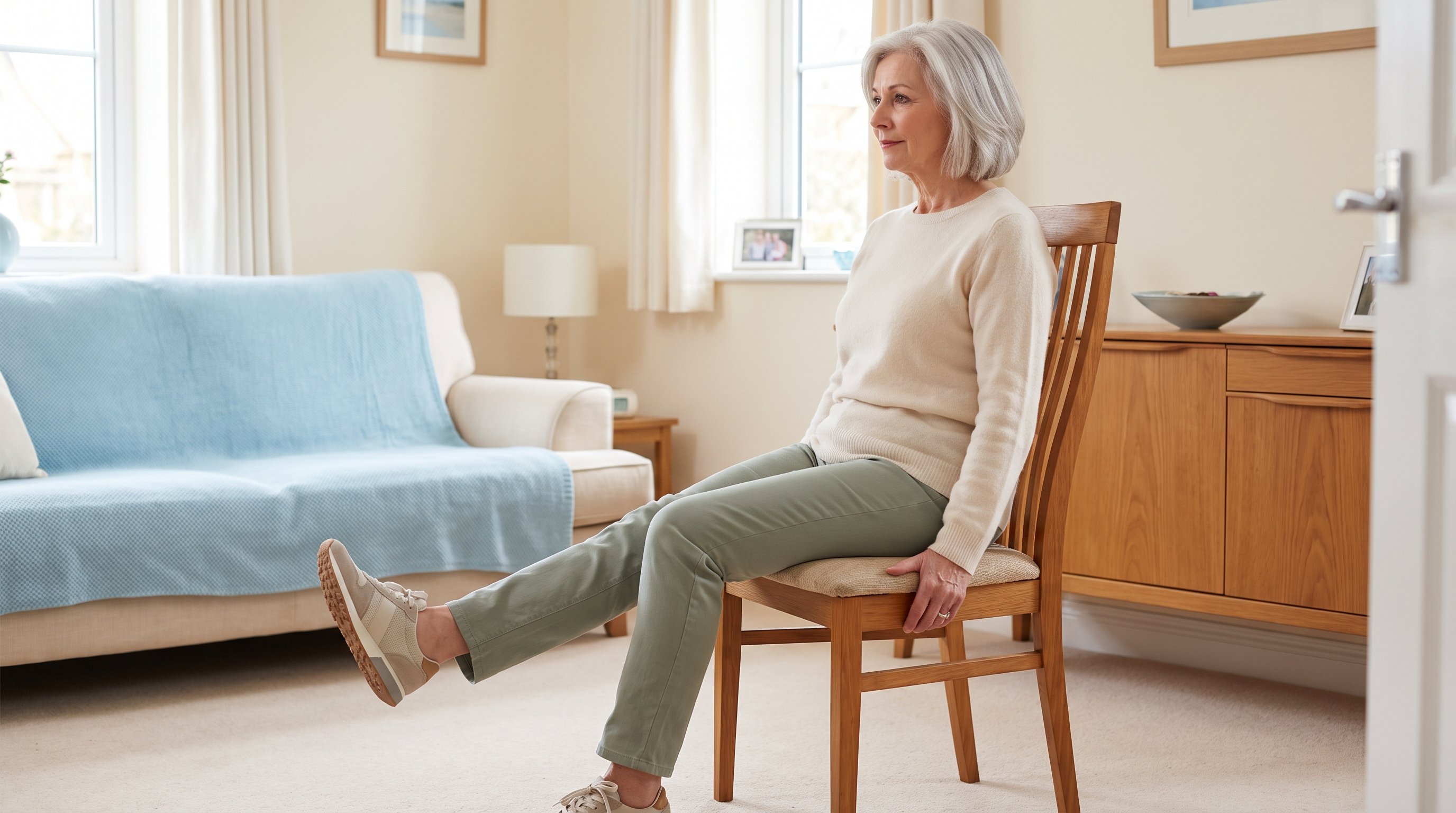
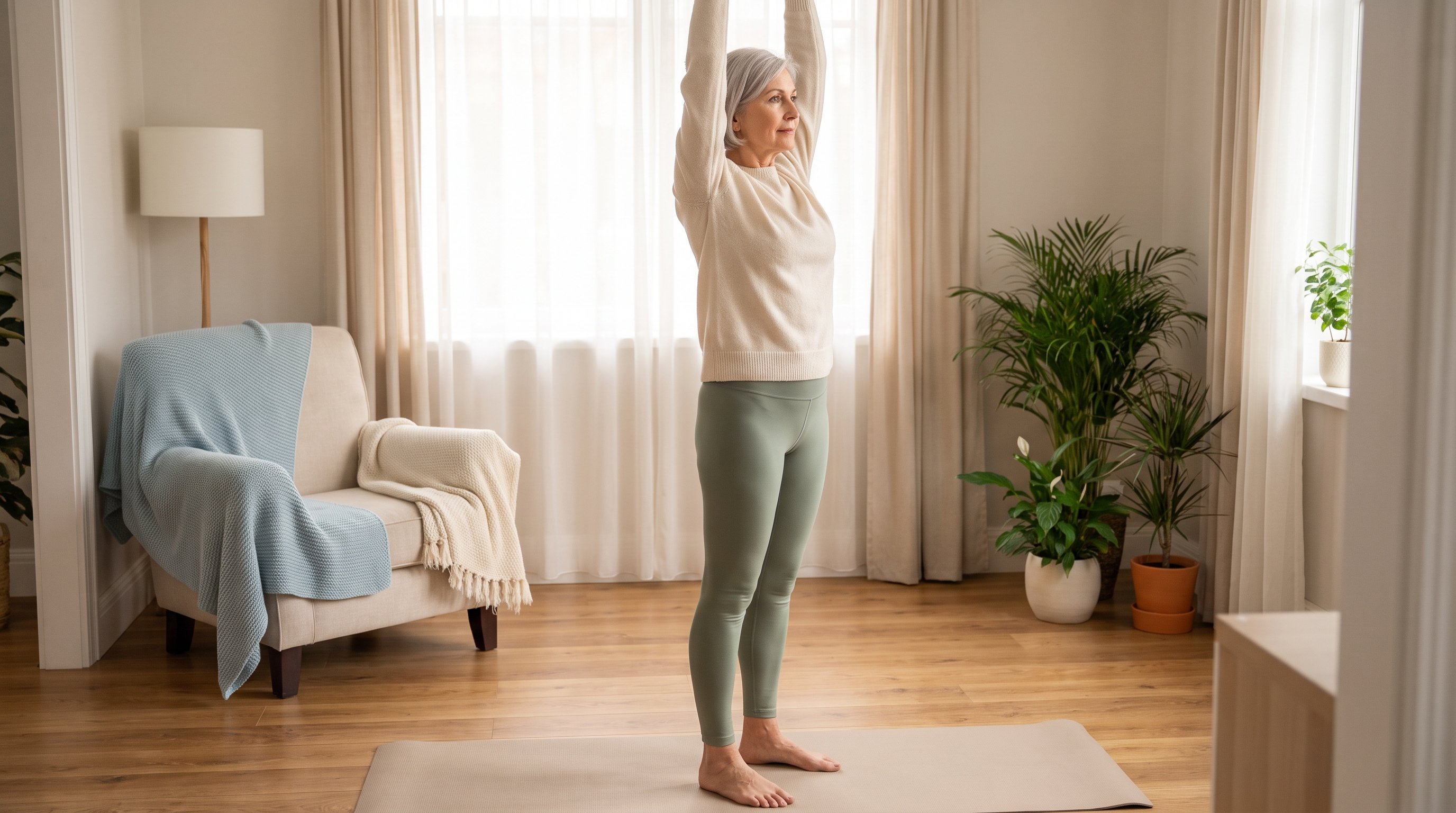
Gentle exercise means movement that raises your heart rate a little without straining joints, muscles, or your patience - think seated stretches, slow walking, light resistance bands, or water-based movement.
It works because consistent, low-strain movement keeps muscles active and joints mobile without the recovery cost of harder training, so you can do it more often and actually stick with it.
This guide covers how to start, how much to do, a simple four-week plan, where people usually stall, and the mistakes worth avoiding.
Getting Started With Low-Impact Movement Safely
Starting low-impact exercise does not need equipment, a gym, or a big block of time - it needs a plan simple enough to repeat on a tired day.

A Simple Way to Begin
- Pick one time of day - morning or afternoon, whichever you are least likely to skip.
- Choose a seated or standing warm-up - shoulder rolls, ankle circles, or slow marching in place for two minutes.
- Add one main movement - a short walk, a few sit-to-stands from a chair, or a stretch sequence.
- Keep sessions short at first - five to ten minutes is enough to start building the habit.
- Note how your body feels afterward - mild effort is fine, sharp pain is not.
- Repeat on most days - frequency matters more than intensity at this stage.
- Increase slowly - add a minute or two every week rather than doubling sessions overnight.
None of these steps require anything specialised, which is exactly the point - the easier it is to start, the more likely it is to continue.
How Much Gentle Exercise Actually Helps
Finding a Realistic Weekly Target
Low-impact movement adds up across small sessions rather than one long workout, so the weekly total matters more than any single day.
The table below gives a rough starting point for different levels of current activity - adjust based on comfort, not ambition.
| Current Activity Level | Session Length | Weekly Frequency |
|---|---|---|
| Mostly sedentary | 5-10 minutes | Daily |
| Occasionally active | 10-15 minutes | 5-6 days a week |
| Regularly active | 15-25 minutes | 4-5 days a week |
| Comfortable with movement | 25-35 minutes | 3-5 days a week |
Fitting Movement Around a Real Week
Real weeks have appointments, bad sleep, and days where energy just does not show up - low-impact movement has to flex around that, not the other way round.
A short chair-based routine on a low-energy day still counts, and a walk split into two ten-minute chunks works just as well as one twenty-minute walk.

Senior Diet keeps this manageable with guided low-impact exercise sessions and a step tracker, so you can see progress without needing to plan every detail yourself.
Having the movement side and the eating side in one place also means less mental juggling, which is often the real reason routines fall apart.
A Four-Stage Plan for Easing Into Movement
This plan builds gradually, so each stage should feel slightly easier than it sounds before moving to the next one.
| Stage | Focus | What It Looks Like |
|---|---|---|
| Stage 1 | Short daily sessions | Five to ten minutes of light movement, most days |
| Stage 2 | Add variety | Mix walking, stretching and seated resistance work |
| Stage 3 | Extend duration | Stretch sessions to fifteen to twenty minutes |
| Stage 4 | Build a routine | Settle into a repeatable weekly rhythm that fits your life |
Where Exercise Habits Usually Break Down
The early weeks of low-impact movement often feel fine, and the drop-off tends to happen once the novelty wears off rather than because the body objects.
Motivation dips are normal, not a sign that the plan is wrong - shrinking the session rather than skipping it keeps the habit alive while energy returns.
There is no fixed point where results appear, and progress with this type of activity tends to show up gradually in day-to-day ease rather than on a set schedule.
Mistakes That Derail a Movement Routine
Starting Too Big
Jumping straight into long sessions makes the next day feel like a chore - shorter sessions repeated often beat one ambitious workout.
Treating Rest Days As Failure
A day off is not a setback, it is part of the pattern - the habit survives on consistency, not perfection.
Chasing Soreness As Proof
Low-impact movement should feel manageable, not punishing - mild effort is the target, not a sore next day.
Ignoring the Nutrition Side
Movement and eating work together, and a mismatch between the two makes energy levels unpredictable - a simple, protein-focused meal plan supports the effort you are putting into activity.
Giving Up After One Off Week
One missed week does not undo the pattern - picking the routine back up matters far more than never missing a day.
Making Low-Impact Exercise Easier With Senior Diet
Low-impact movement sticks best when it is not something you have to figure out alone every single day.
Senior Diet brings together guided low-impact exercise sessions, a step counter, and simple progress trackers, so you can see steps, water and weight in one place instead of juggling separate tools.
It also pairs movement with a tailored high-protein meal plan and lifestyle challenges, which makes it easier to hold the habit when motivation dips.

Feel Younger Every Day
Healthy Aging Made Simple
Building a Movement Habit That Lasts
The best exercise routine is the one you can repeat on an ordinary week, not the one that looks impressive for a single session.
Start small, keep it regular, and let Senior Diet handle the tracking and meal planning side so your energy goes toward the movement itself.
FAQ
A good starting point is five to ten minutes most days, building up gradually as it feels comfortable. The exact amount matters less than doing it consistently across the week.
This type of activity works by being repeatable rather than intense, which means it gets done more often than harder training. Frequency over time adds up in a way that one hard session cannot replace.
On harder days, shorten the session rather than skipping it entirely - even a few minutes of seated or light activity keeps the habit going. Mild effort is the goal, not pushing through sharp discomfort.
Most people stop after a missed week or a stretch of low motivation, not because the activity itself fails them. Senior Diet's guided sessions and trackers make it easier to pick the routine back up without starting from scratch.
Share this post