Vitamin D Foods: A Practical Way to Eat More of This Nutrient
By:Author:Senior Diet Editorial
Updated on:October 18, 2026
- The Myth That One Food Fixes a Vitamin D Gap
- How Vitamin D Foods Actually Fit Into Your Day
- What Actually Changes How Much Vitamin D You Get
- A Sample Week of Vitamin D Foods on the Plate
- Fitting These Foods Into Meals You Already Cook
- Setting Realistic Expectations for Vitamin D Foods
- Common Mistakes People Make With Vitamin D Foods
- Making Vitamin D Foods Easier With Senior Diet
- Keeping These Foods on Your Weekly Shopping List
The most useful answer is simple: a handful of foods, eaten regularly, can meaningfully add to your intake of this nutrient, even though very few foods are naturally rich in it.
Vitamin D works a bit differently to most nutrients - your skin makes some from sunlight, and food fills in the rest. That means food sources matter more for people who spend less time outdoors, which describes a lot of older adults during colder months or busy weeks indoors.
This guide covers what these nutrients actually do, how much realistically shows up on a plate, a sample week you can copy, and the mistakes that make people give up on the whole idea too soon.
The Myth That One Food Fixes a Vitamin D Gap
There's no single miracle food that solves low vitamin D overnight, and no food that works instantly the day you eat it.
This nutrient from food gets absorbed gradually, alongside fat in a meal, and it's stored in the body over time rather than used up in one sitting.
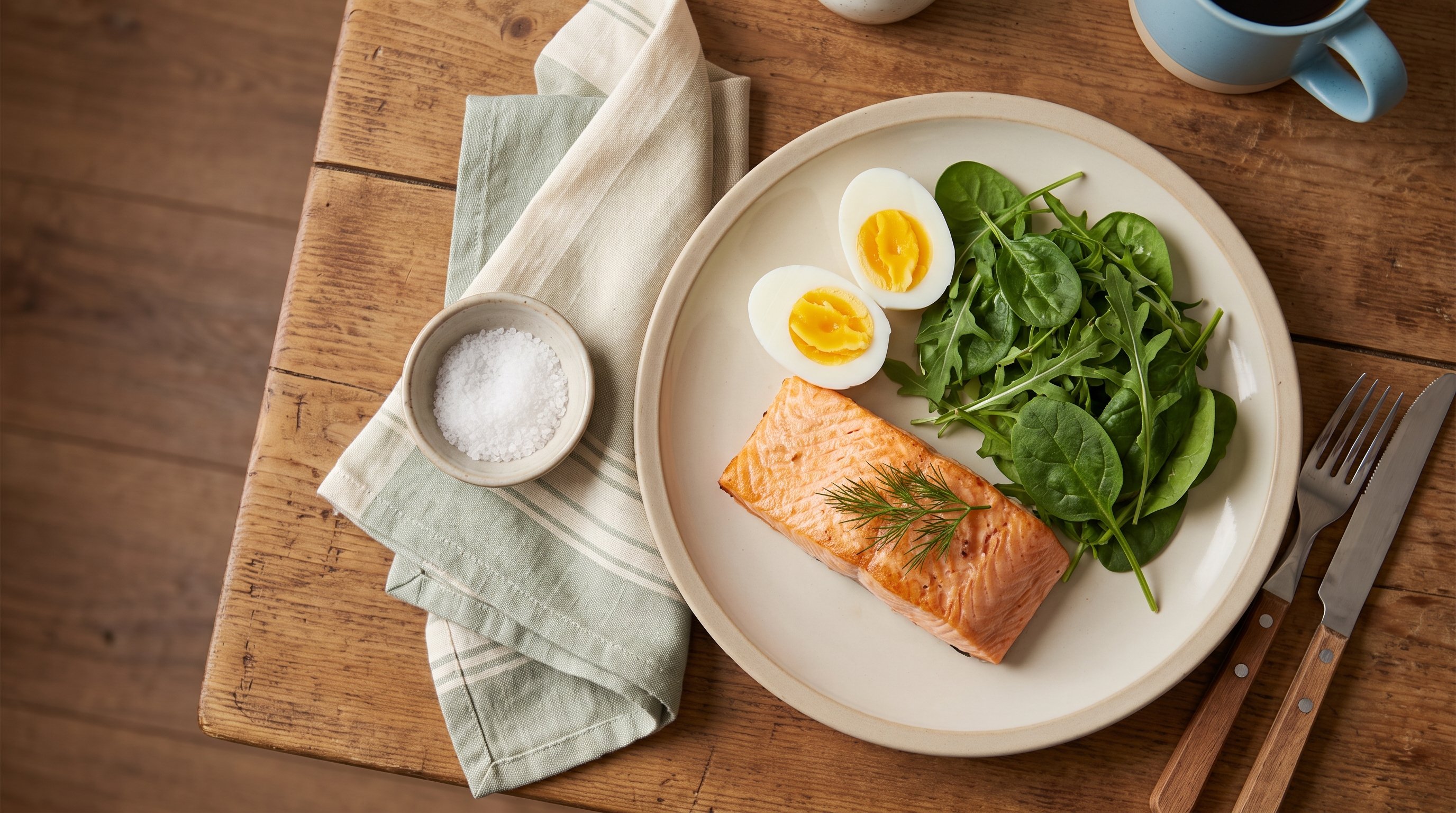
The honest version: a small group of foods - oily fish, egg yolks, fortified milk or cereal, mushrooms left in sunlight - contribute to an ongoing supply, and consistency across weeks matters more than any single standout meal.
How Vitamin D Foods Actually Fit Into Your Day
Vitamin D itself is a fat-soluble nutrient, which changes how you should think about eating it.
Why Fat-Soluble Matters at Mealtime
Because vitamin D dissolves in fat rather than water, it absorbs better when eaten alongside a source of fat - think olive oil on a salad with egg, or salmon cooked in a little butter, rather than a dry, fat-free plate.
Why Fortified Foods Carry Real Weight
Many dairy products, plant milks, and breakfast cereals have vitamin D added during processing, which matters because naturally rich sources are limited - fortified foods often supply more reliable amounts than people expect from reading a label.
Put those two mechanisms together and the practical takeaway is clear: pick foods with this nutrient in them, and eat them with a bit of fat nearby.
What Actually Changes How Much Vitamin D You Get
Not every food habit delivers the same result, and three factors do most of the work.
What Moves the Needle Most
- Choosing naturally rich foods first - oily fish like salmon, mackerel or sardines carry far more of this nutrient per serving than most other whole foods, so building meals around them gives you the biggest return.
- Using fortified staples consistently - a fortified milk, plant milk or cereal eaten most days adds up over a week in a way that one occasional fish dinner cannot match on its own.
- Pairing with a fat source - eating these foods alongside a little oil, butter or avocado helps the fat-soluble nutrient get absorbed rather than passing through unused.

A Sample Week of Vitamin D Foods on the Plate
Here's a realistic week built around ordinary meals rather than anything unusual or expensive.
| Day | Meal Idea |
|---|---|
| Monday | Scrambled eggs, fortified milk |
| Tuesday | Grilled mackerel, salad |
| Wednesday | Fortified cereal, yoghurt |
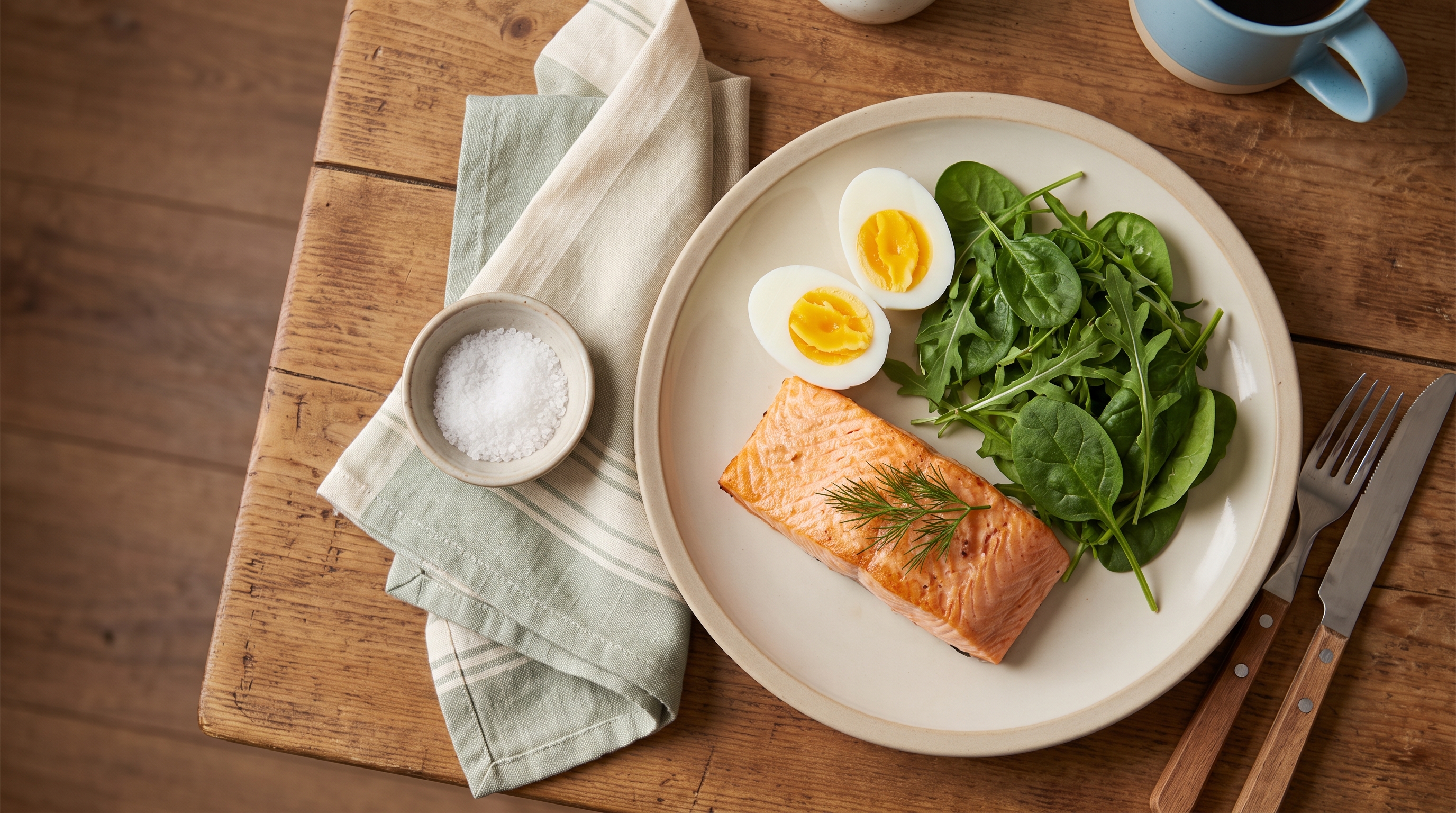
| Thursday | Baked salmon, mushrooms |
| Friday | Tinned sardines on toast |
| Saturday | Omelette with mushrooms |
Notice the pattern: eggs, oily fish, mushrooms and fortified staples rotate through most days, so no single meal has to carry the whole week.
Fitting These Foods Into Meals You Already Cook
You don't need to overhaul your usual cooking to work more of these foods in.
Swap a regular cereal for a fortified one, add a tin of sardines to a salad you'd make anyway, or use fortified milk in the same places you already use regular milk - in tea, porridge or sauces.
This is where a meal plan built around food you already like makes the difference between a good intention and a habit, and it's the kind of small substitution that our recipe suggestions are designed to make easy, with shopping lists that already include these foods so you're not hunting for them separately.
Setting Realistic Expectations for Vitamin D Foods
Don't expect a sudden shift in how you feel from changing a few meals - this nutrient from food builds up gradually rather than announcing itself.
Most people who stick with it say the habit starts to feel automatic somewhere around the point where they've stopped thinking of it as a special diet and started thinking of it as just what's in the fridge.
The drop-off point tends to come early, in the first week or two, when the new foods still feel like an extra task rather than a normal grocery item - pushing past that stage is mostly about repetition, not willpower.
Common Mistakes People Make With Vitamin D Foods
Relying on One Fish Dinner a Week.
A single serving of oily fish doesn't carry a whole week's worth of this nutrient on its own - spread sources across several days instead, mixing fish with eggs, mushrooms and fortified staples.
Skipping the Fat Pairing.
Eating these foods on a very low-fat plate works against absorption - a drizzle of olive oil or a side of avocado helps the vitamin actually get used.

Ignoring Fortified Labels.
Not all milk, plant milk or cereal is fortified with vitamin D, so it's worth checking labels once and then sticking with the brands that are, rather than assuming every version counts.
Treating It As a Short-Term Fix.
These foods work as an ongoing habit, not a two-week push - building them into a normal rotation matters more than any intense short burst.
Forgetting Mushrooms Count.
Mushrooms that have been exposed to sunlight or UV light during growing can contribute vitamin D too, and they're an easy addition to eggs, pasta or a simple side dish.
Making Vitamin D Foods Easier With Senior Diet
Keeping a rotation of oily fish, eggs, mushrooms and fortified staples going week after week is easier with a plan that already accounts for them.
Senior Diet's recipe library leans on high-protein meals that often naturally include these foods, with shopping lists that take the guesswork out of what to buy and progress trackers that keep the rest of your routine - water, steps, weight - in one place alongside it.
Feel Younger Every Day
Healthy Aging Made Simple
Keeping These Foods on Your Weekly Shopping List
The simplest next step is to add one of these nutrient-rich foods to this week's shopping list - a tin of sardines, a fortified cereal, or a carton of mushrooms - and build from there.
Over several weeks, those small additions turn into a normal pattern rather than an effort, and Senior Diet can help keep the rotation varied so it never feels like the same meal on repeat.
FAQ
Oily fish such as salmon, mackerel and sardines sit well above most other whole foods, with egg yolks, mushrooms grown under light and fortified dairy or cereal adding smaller but steady amounts.
Sunlight helps your skin produce vitamin D, but time outdoors, season and daily habits vary a lot, which is exactly why food sources are worth building in rather than relying on sunlight alone.
Eggs, fortified milk, fortified plant milk, fortified cereal and mushrooms all contribute to this nutrient without needing fish at all, so a fish-free rotation is entirely workable.
Pick two or three nutrient-rich foods you already like, add them to a repeating shopping list, and let a plan - like the recipes inside Senior Diet - handle the rotation so it stops feeling like a decision every single day.
Share this post