Foods Rich In Vitamin K: A Practical Guide
By:Author:Senior Diet Editorial
Updated on:October 18, 2026
- Working More Vitamin K Foods Into Weekly Meals
- How Much Vitamin K Food Actually Counts As Enough
- Making Vitamin K Foods Work in a Normal Week
- A Four-Week Starter Plan for Vitamin K Foods
- When Eating More Greens Starts Feeling Normal
- Common Mistakes People Make With Vitamin K Foods
- Building Vitamin K Foods Into Senior Diet Meals
- Keeping Vitamin K Foods on Your Plate for Good
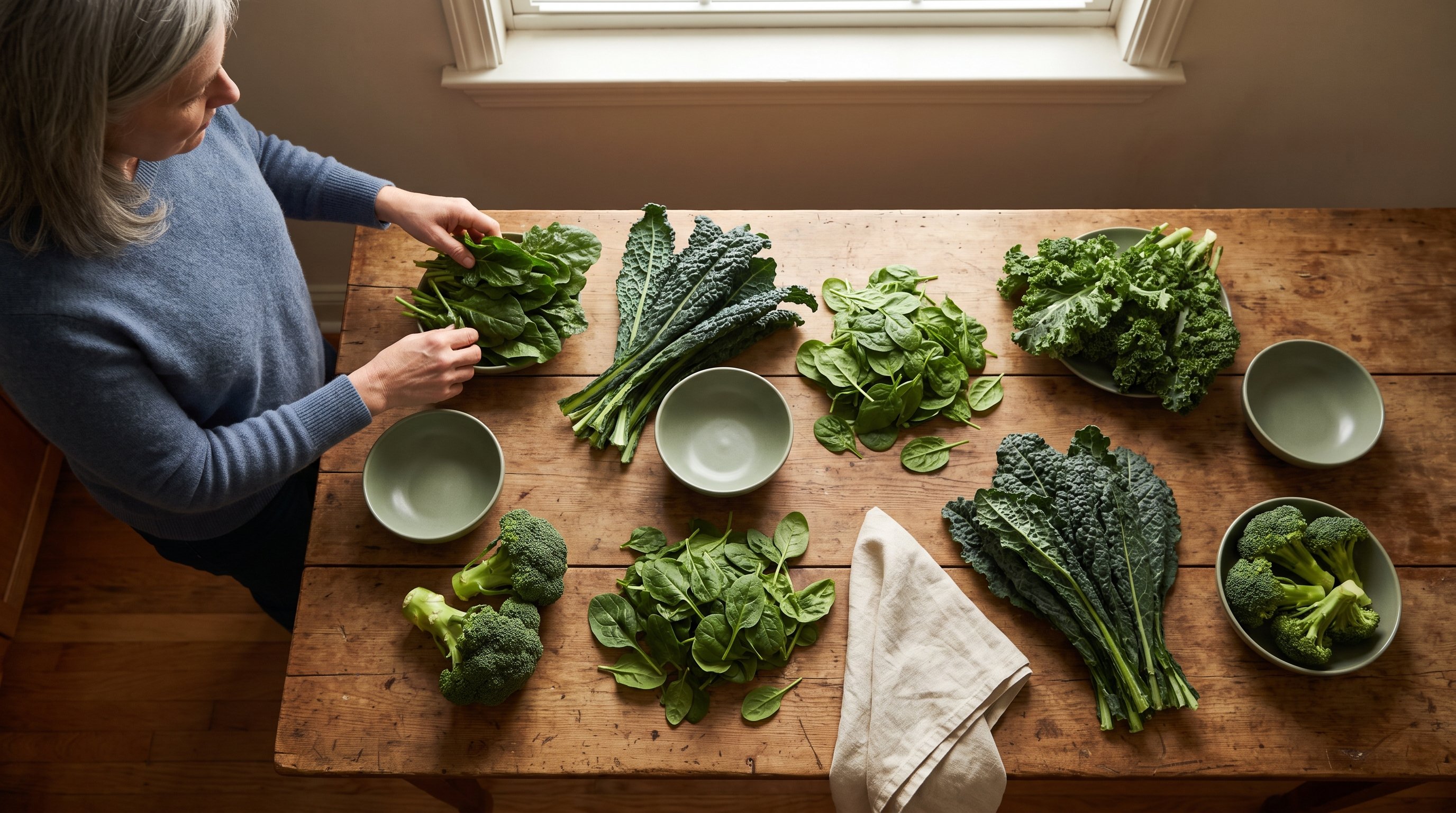
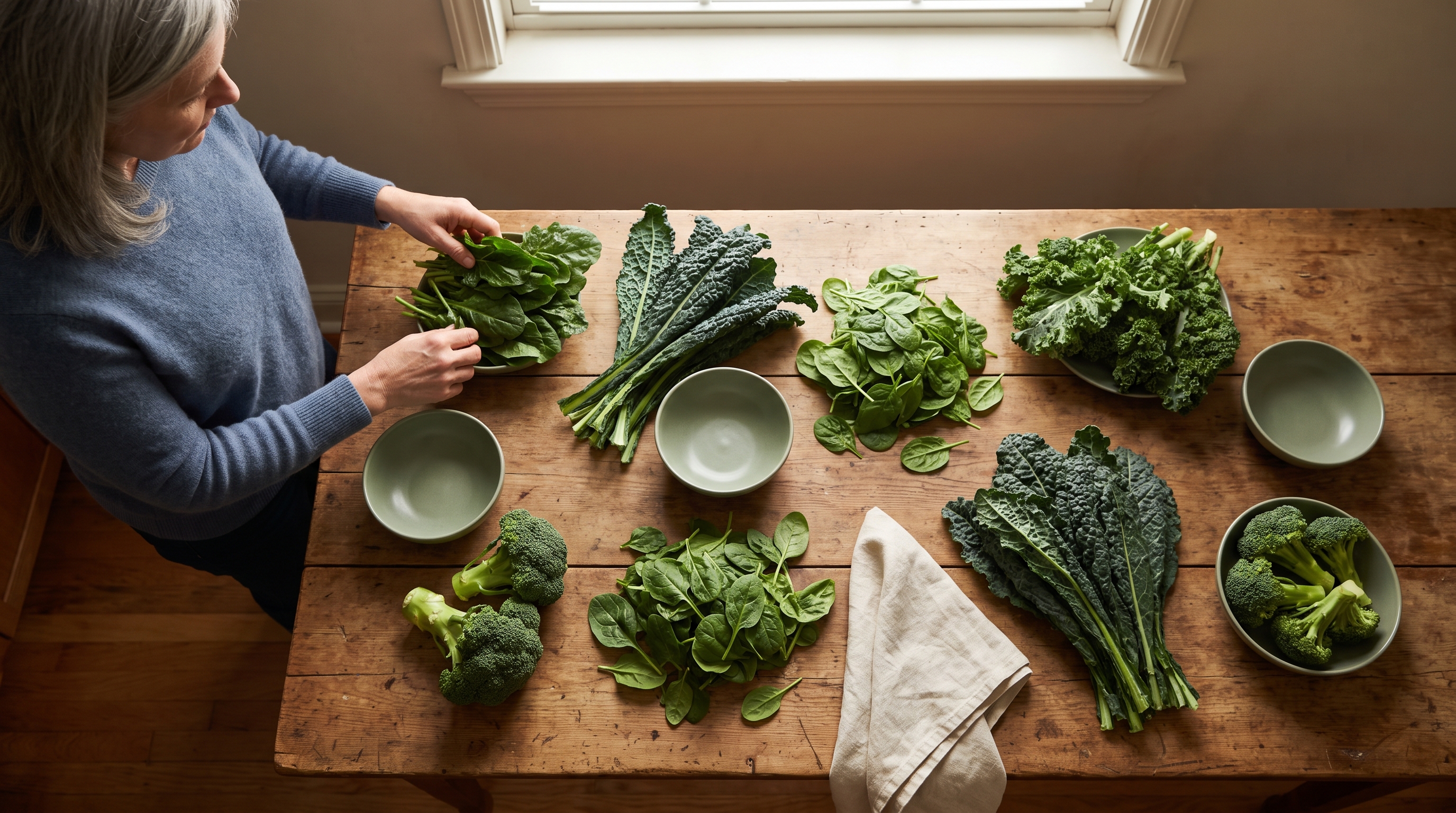
Foods rich in vitamin K are mostly leafy greens and a handful of vegetables and oils - think kale, spinach, broccoli, and Brussels sprouts. A regular serving of any of these a few times a week covers most people's needs without any special shopping trip.
Vitamin K works behind the scenes in blood clotting and bone metabolism, which is why it quietly matters more as you get older. The body doesn't store huge reserves of it, so eating sources somewhat regularly keeps supply steady.
This guide covers which foods carry the most, how much is reasonable to aim for, how to fit them into a normal week, and the mistakes that trip people up along the way.
Working More Vitamin K Foods Into Weekly Meals
Adding vitamin K sources doesn't need a diet overhaul. A few small habits, repeated, do most of the work.
Steps to Add More Vitamin K Foods
- Pick one green to keep on hand - spinach, kale or chard, whichever you'll actually eat.
- Add it to a meal you already cook - stir greens into soup, pasta or a stir fry rather than planning a new dish.
- Keep frozen vegetables as backup - frozen broccoli or spinach holds its nutrients and skips the wilting-in-the-fridge problem.
- Use a bit of oil when cooking greens - vitamin K is fat soluble, so a drizzle of olive oil alongside it helps the body use it.
- Rotate two or three vegetables - Brussels sprouts, broccoli and cabbage all count, so variety doesn't mean more effort.
- Build one green into lunch and one into dinner - spreading it across the day is easier than one large serving.
- Check in weekly, not daily - a missed day doesn't matter if the week as a whole includes a few servings.
How Much Vitamin K Food Actually Counts As Enough
There's no need to measure vitamin K in milligrams at home - the practical approach is servings, not numbers on a label.
A Simple Serving Guide
A cup of raw leafy greens or half a cup cooked is a standard serving, and most of the vegetables below hit a useful amount in that size.

| Food | Serving Size | Notes |
|---|---|---|
| Kale, cooked | Half cup | One of the highest sources |
| Spinach, cooked | Half cup | Easy to fold into meals |
| Broccoli | One cup | Good raw or steamed |
| Brussels sprouts | One cup | Roasts well with oil |
| Cabbage | One cup | Works shredded into slaws |
Eating a serving from this table most days, or a couple of servings on fewer days, covers the practical goal without any tracking app or supplement.
Making Vitamin K Foods Work in a Normal Week
The honest barrier isn't knowing which foods count - it's remembering to buy and cook them on a busy week.
Greens wilt fast, recipes feel like extra admin, and after a long day, reaching for something familiar wins over chopping kale.
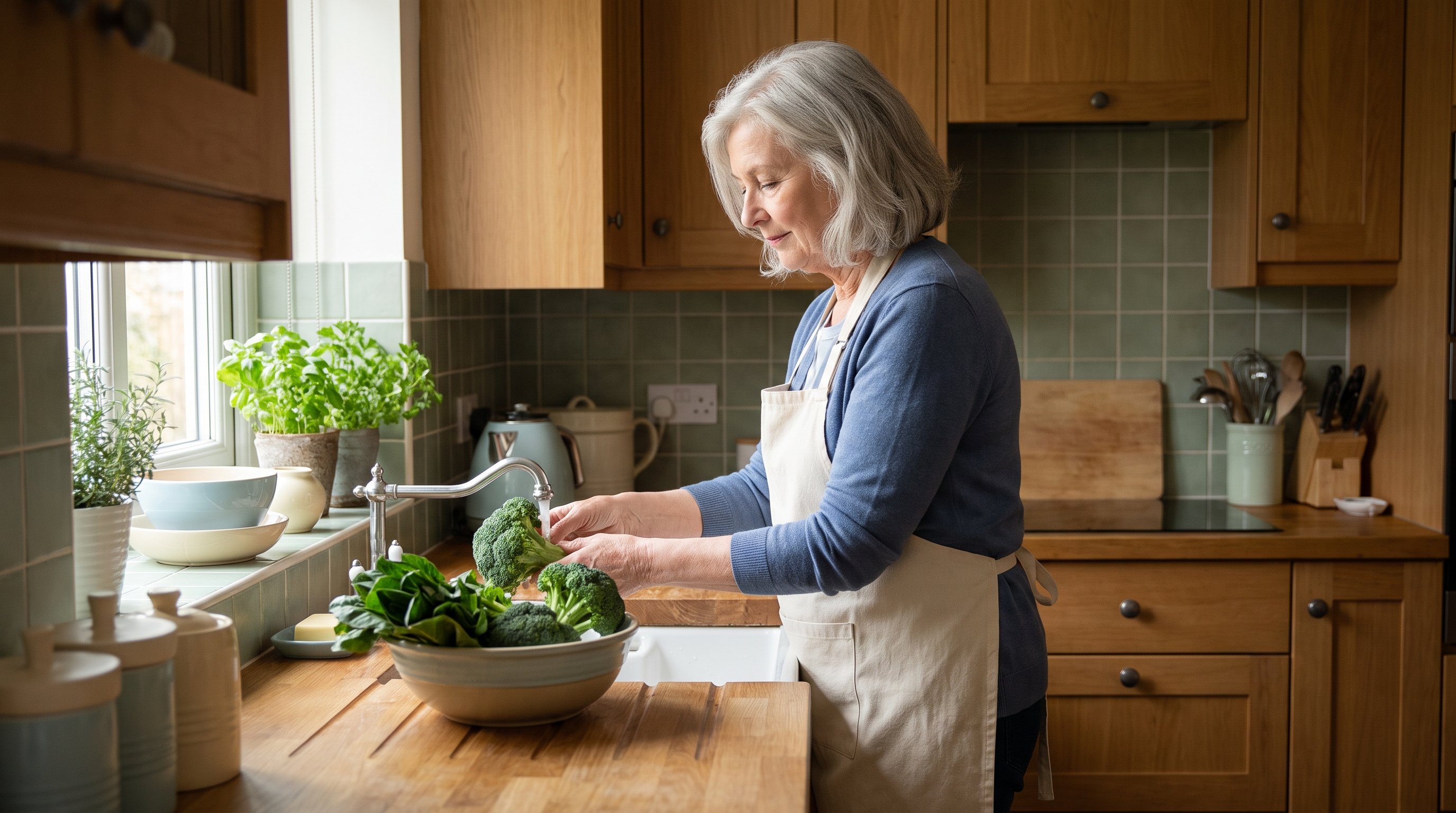
This is where a structured meal plan helps rather than a new rule to remember - meal planning services build vitamin K sources like leafy greens and broccoli into recipes that are already on the weekly plan, so the vegetable shows up because the meal calls for it, not because you had to think about it separately.
The shopping list that comes with the plan also means the greens are already on the list before the fridge runs empty, which solves the wilting problem before it starts.
A Four-Week Starter Plan for Vitamin K Foods
Rather than trying to get everything right from day one, build the habit in stages.
| Stage | Focus |
|---|---|
| Week 1 | Add one green to one meal a day |
| Week 2 | Keep frozen greens stocked as backup |
| Week 3 | Rotate in broccoli or Brussels sprouts |
| Week 4 | Aim for a serving at both lunch and dinner |
The order matters more than hitting a perfect number each week - building the habit of having greens around beats any single serving count.
When Eating More Greens Starts Feeling Normal
The first couple of weeks can feel like extra effort because you're thinking about it.
That's normal, and it tends to fade once a green vegetable becomes part of the automatic shopping list rather than a special addition.
Be vague about exactly when it clicks - for some people it's a couple of weeks, for others it takes longer, and that's fine. The point isn't a deadline, it's that the habit holds once it's built in rather than bolted on.
Common Mistakes People Make With Vitamin K Foods
Buying Greens and Letting Them Wilt
Buy smaller amounts more often, or lean on frozen vegetables that don't have a short clock ticking in the fridge.
Cooking Greens With No Fat at All
Vitamin K is fat soluble, so a splash of olive oil when cooking or dressing the vegetable helps the body use what's there.
Treating One Big Serving As a Weekly Fix
Spreading smaller servings across several days works better than one large serving and then nothing for a week.
Sticking to Only One Vegetable
Rotating between kale, broccoli, cabbage and Brussels sprouts keeps meals interesting and avoids the boredom that kills a habit.
Expecting a Single Food to Fix Everything
No one vegetable does all the work - the body does better with a mix of sources eaten somewhat regularly than one superfood eaten occasionally.
Building Vitamin K Foods Into Senior Diet Meals
Knowing which vegetables count is one thing - actually cooking them on a Tuesday night is another.
Senior Diet handles that gap by building recipes around high-protein meals that already include vegetables like spinach, kale and broccoli, so the vitamin K comes along with the meal rather than needing a separate decision.
The shopping list feature keeps those greens on the list automatically, and the recipes are written to be easy to follow, so there's no guesswork about how much to cook or how to season it.
Feel Younger Every Day
Healthy Aging Made Simple
Keeping Vitamin K Foods on Your Plate for Good
The simplest place to start is picking one green vegetable and adding it to one meal this week - that's it.
Build from there with the rotation and frozen backups, and let the habit settle in on its own schedule rather than forcing it. A structured meal planning approach can take the planning off your hands if cooking it yourself feels like one more thing to manage.
FAQ
Kale, spinach, broccoli, Brussels sprouts and cabbage are among the richest sources, with leafy greens generally carrying the most per serving. Cooked greens tend to pack more into a smaller serving size than raw.
Whole food sources like leafy greens are a practical way to get vitamin K without adding a supplement to the routine. Food also brings fibre and other nutrients along with it, which a pill on its own doesn't.
Raw spinach in a sandwich, shredded cabbage in a slaw, or broccoli roasted with a bit of oil are all ways in that don't involve a pot of wilted kale. Finding one version you actually enjoy matters more than forcing down one you don't.
Senior Diet builds vitamin K sources like leafy greens into its recipes and shopping lists, so they show up as part of meals you're already planning to cook. That removes the extra step of remembering to buy and prepare them separately.
Share this post