Foods High In Potassium: A Practical Guide
By:Author:Senior Diet Editorial
Updated on:October 18, 2026
- Does Eating More Potassium Foods Actually Help?
- How Potassium Actually Supports Your Body
- How Much Potassium Food Should You Eat
- Why Whole Foods Beat Potassium Supplements Here
- Fitting Potassium Foods Into a Normal Week
- The Myth That One Superfood Solves Potassium Gaps
- What Changes How Much Potassium You Actually Absorb
- Common Mistakes People Make With Potassium Foods
- Making Potassium-Rich Eating Easier With Senior Diet
- Keeping Potassium on Your Plate Long Term
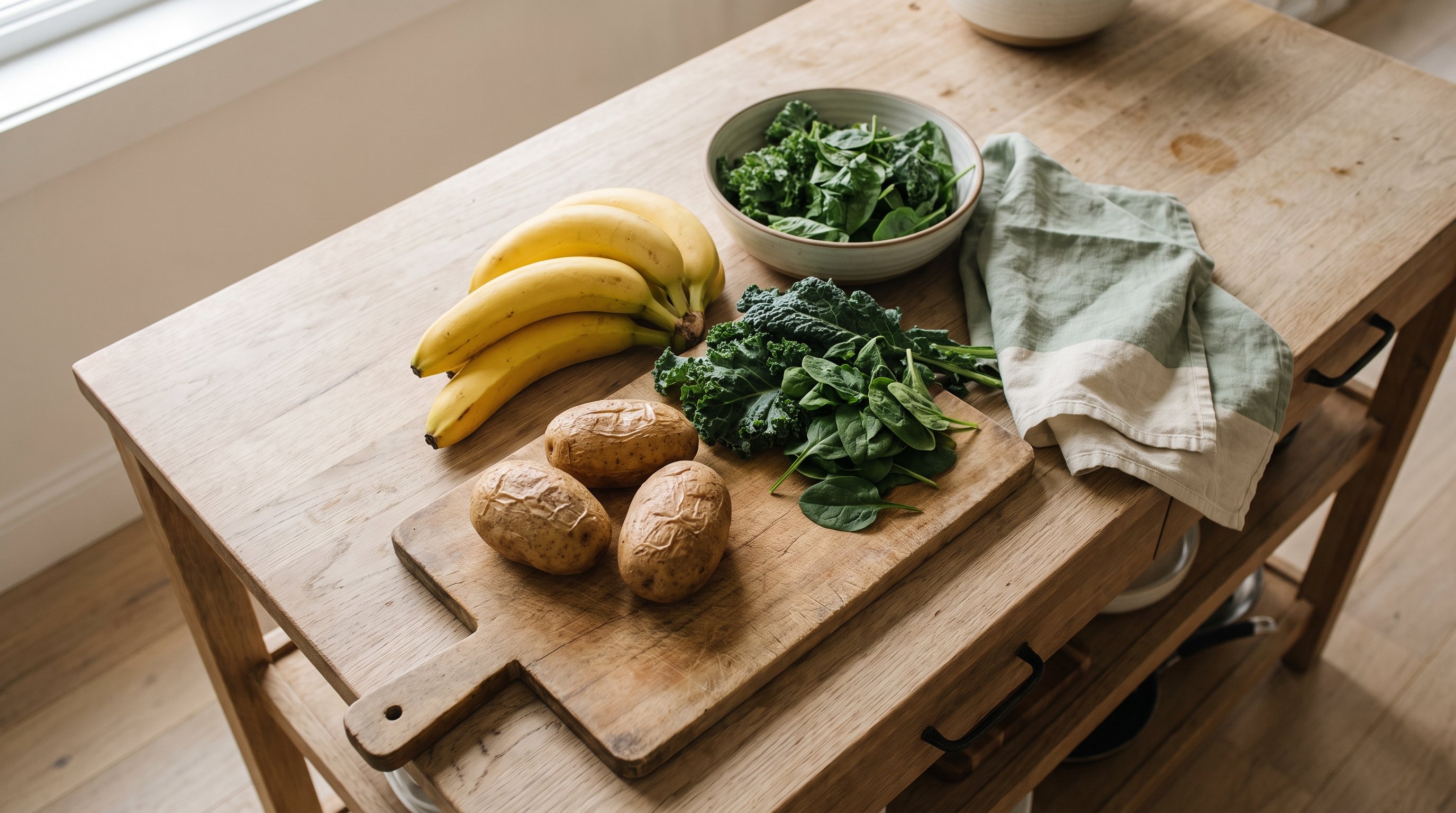
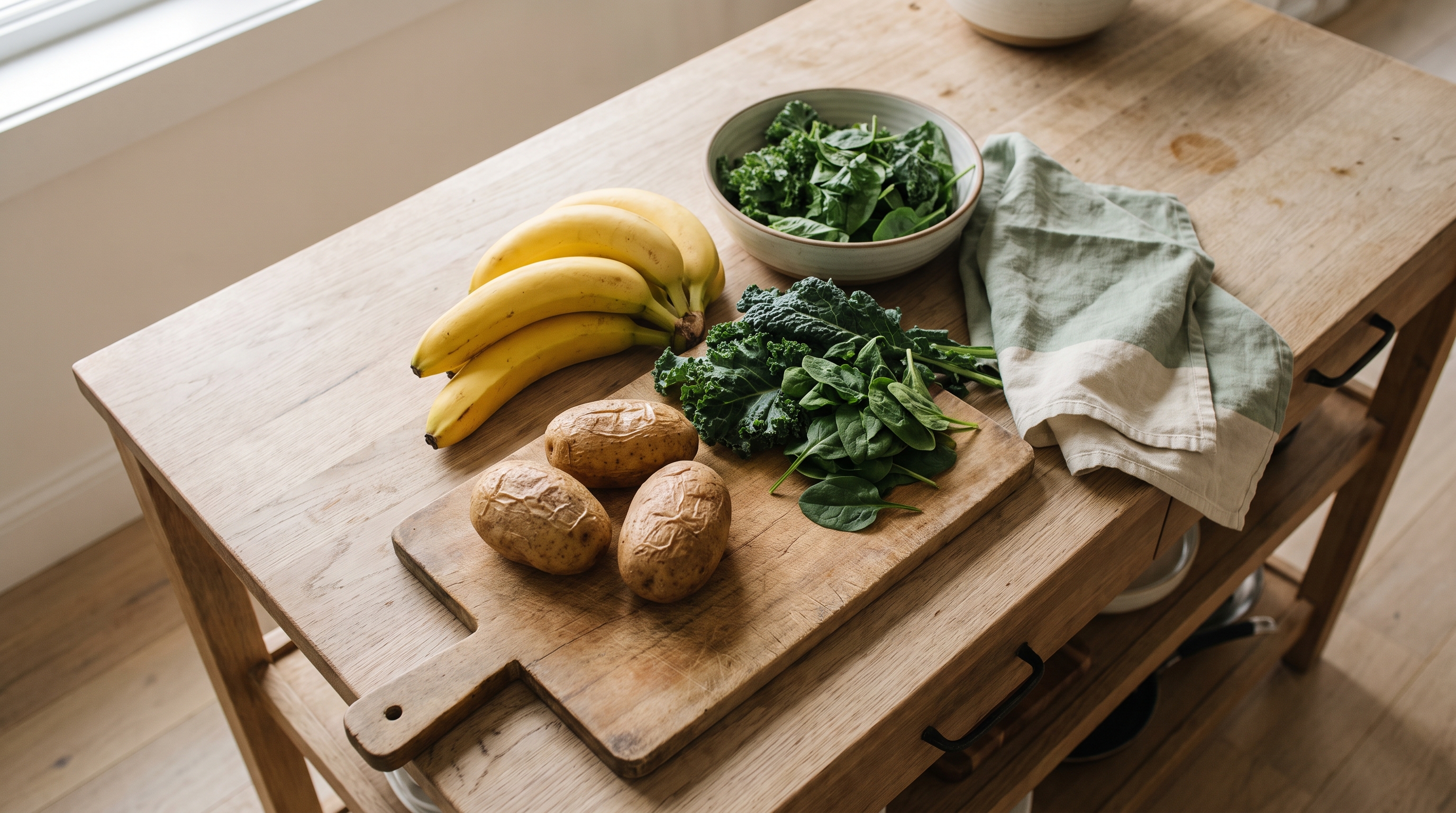
Foods high in potassium include potatoes, beans, bananas, leafy greens and dairy, and getting enough matters because potassium helps regulate fluid balance, muscle contractions and a steady heartbeat.
The body cannot store large reserves of potassium the way it can store fat, so it relies on a steady supply from food most days of the week.
This guide covers which foods deliver the most, how much is sensible, how to fit it into ordinary meals, and the mistakes that quietly keep people short of it.
Does Eating More Potassium Foods Actually Help?
Potassium works alongside sodium to manage fluid levels in and around your cells, and it plays a part in how nerves signal muscles, including the heart muscle.
When intake runs low over time, muscles can feel weaker and more prone to cramping, and some people notice their blood pressure sits higher than it would otherwise.
The arithmetic is simple: a diet built mostly around refined, processed foods tends to be low in potassium because processing strips it out, while whole foods such as potatoes, beans and fruit keep it intact.
Swap a handful of processed meals for whole-food ones each week and the potassium content of your diet rises without any single magic ingredient doing the work.
How Potassium Actually Supports Your Body
Fluid Balance and Blood Pressure
Potassium helps your kidneys manage how much sodium you hold on to, and a better sodium-to-potassium ratio is linked to steadier blood pressure readings over time.
This is not about one meal, it is about the pattern across weeks and months.
Muscle and Nerve Signalling
Every muscle contraction, including the one that keeps your heart beating in rhythm, depends on potassium moving in and out of cells at the right moment.
That is why low intake sometimes shows up as cramping or a general sense of heaviness in the legs after activity.
How Much Potassium Food Should You Eat
Building a Daily Pattern, Not a Single Number
Rather than chasing one target figure, aim to include at least one potassium-rich food at each meal: a vegetable, a fruit, a legume or dairy.
Spreading sources across the day is more realistic than trying to hit everything at breakfast and coasting for the rest of the day.

| Food | Where It Fits |
|---|---|
| Baked potato with skin | Main side dish |
| White beans | Soups and stews |
| Banana | Snack or breakfast add |
| Spinach, cooked | Side or mixed in |
| Plain yoghurt | Breakfast or snack |
means it is safer to focus on variety and consistency than on hitting a precise daily number without guidance.
Why Whole Foods Beat Potassium Supplements Here
The harder route is relying on supplement pills and hoping to remember them daily; the easier route is building meals around foods that already carry potassium alongside fibre, protein and other nutrients.
A baked potato or a bowl of beans does not ask you to remember anything extra, it just sits on the plate as the meal itself.

Supplements also carry no fibre, no protein and none of the other compounds found naturally in food, so whole foods give you more for the same effort.
Consistency is unglamorous and it wins anyway: a potato three times a week beats a supplement bottle gathering dust in the cupboard.
Fitting Potassium Foods Into a Normal Week
Most weeks already include a few potassium-rich foods without anyone noticing, so the real task is nudging the ratio rather than rebuilding the whole shopping list.
Add a banana to the fruit bowl, keep a tin of beans in the cupboard, and swap one side dish a week for a baked potato or cooked greens.
A structured meal-planning service's shopping lists and easy-to-follow recipes make this kind of small swap simple, because the ingredients are already planned into the week rather than left to guesswork.
Over a month, these small, repeatable choices add up to a steadier potassium intake without any single dramatic change.
The Myth That One Superfood Solves Potassium Gaps
Bananas get credited as the potassium food, but the honest answer is that no single food fixes a gap on its own, and variety matters more than any one item.
A diet that leans entirely on bananas misses the fibre in beans, the calcium in dairy and the other nutrients found in leafy greens.
There is also no such thing as targeting potassium to one part of the body, it circulates and works wherever fluid and muscle activity are happening.
The real answer is a rotating list of sources across the week, not a single star ingredient carrying all the weight.
What Changes How Much Potassium You Actually Absorb
A few factors decide whether the potassium in your food translates into a steady supply your body can use.
Factors That Matter Most
- How the food is cooked - boiling vegetables can draw potassium out into the water, so steaming or roasting keeps more of it in the food itself
- How varied the sources are - rotating potatoes, beans, fruit and dairy covers gaps that any single food leaves behind
- How consistent the pattern is - one potassium-rich meal a week does little compared with including a source at most meals
Common Mistakes People Make With Potassium Foods
Boiling Away the Benefit
Boiling potatoes or greens and tipping out the water also tips out a share of the potassium, so steaming, roasting or keeping the cooking liquid in a soup holds on to more of it.
Relying on One Food Alone
Eating a banana daily and assuming that covers everything leaves out the fibre and variety that beans, greens and dairy bring to the table.
Leaning on Processed Convenience Foods
Packaged and heavily processed meals are usually low in potassium because processing strips it out, so building meals from whole ingredients closes that gap naturally.
Ignoring Medication Interactions
Some medications change how the body handles potassium, so anyone on regular prescriptions should check with a healthcare provider before making large dietary shifts.
Making Potassium-Rich Eating Easier With Senior Diet
Planning potassium-rich meals every day takes a bit of thought, which is exactly where structure helps more than willpower.
Senior Diet builds high-protein, nutrient-rich meal plans with shopping lists already sorted, so foods like beans, potatoes and leafy greens show up in the week without extra planning on your part.
The app also pairs meals with low-impact exercises and progress trackers, so eating well and staying active sit in the same place instead of being two separate efforts to manage.
Feel Younger Every Day
Healthy Aging Made Simple
Keeping Potassium on Your Plate Long Term
The simplest next step is picking one potassium-rich food you already enjoy, such as potatoes, beans or yoghurt, and placing it on the plate a few more times this week.
Senior Diet can take the guesswork out of that by building the shopping list and meal plan around foods like these, so the habit holds without extra effort on your part.
FAQ
Bananas are a convenient source but potatoes, beans and leafy greens often carry comparable or higher amounts per serving. Relying on bananas alone leaves out the fibre and variety other foods bring.
For most people eating whole foods, this is rarely a concern since the body manages normal dietary intake well. Anyone with kidney concerns or on certain medications should check with a healthcare provider before making big changes.
Boiling can draw some potassium out into the cooking water, so steaming, roasting or keeping soups and stews intact preserves more of it. This is a simple cooking adjustment rather than a reason to avoid vegetables.
It gets easier once a few potassium-rich foods become regular items on the shopping list rather than special additions. Meal plans and shopping lists built around potassium-rich foods are designed to keep these items showing up automatically, so the habit does not rely on memory alone.
Share this post