Best Protein Sources: A Practical Guide For Older Adults
By:Author:Senior Diet Editorial
Updated on:October 18, 2026
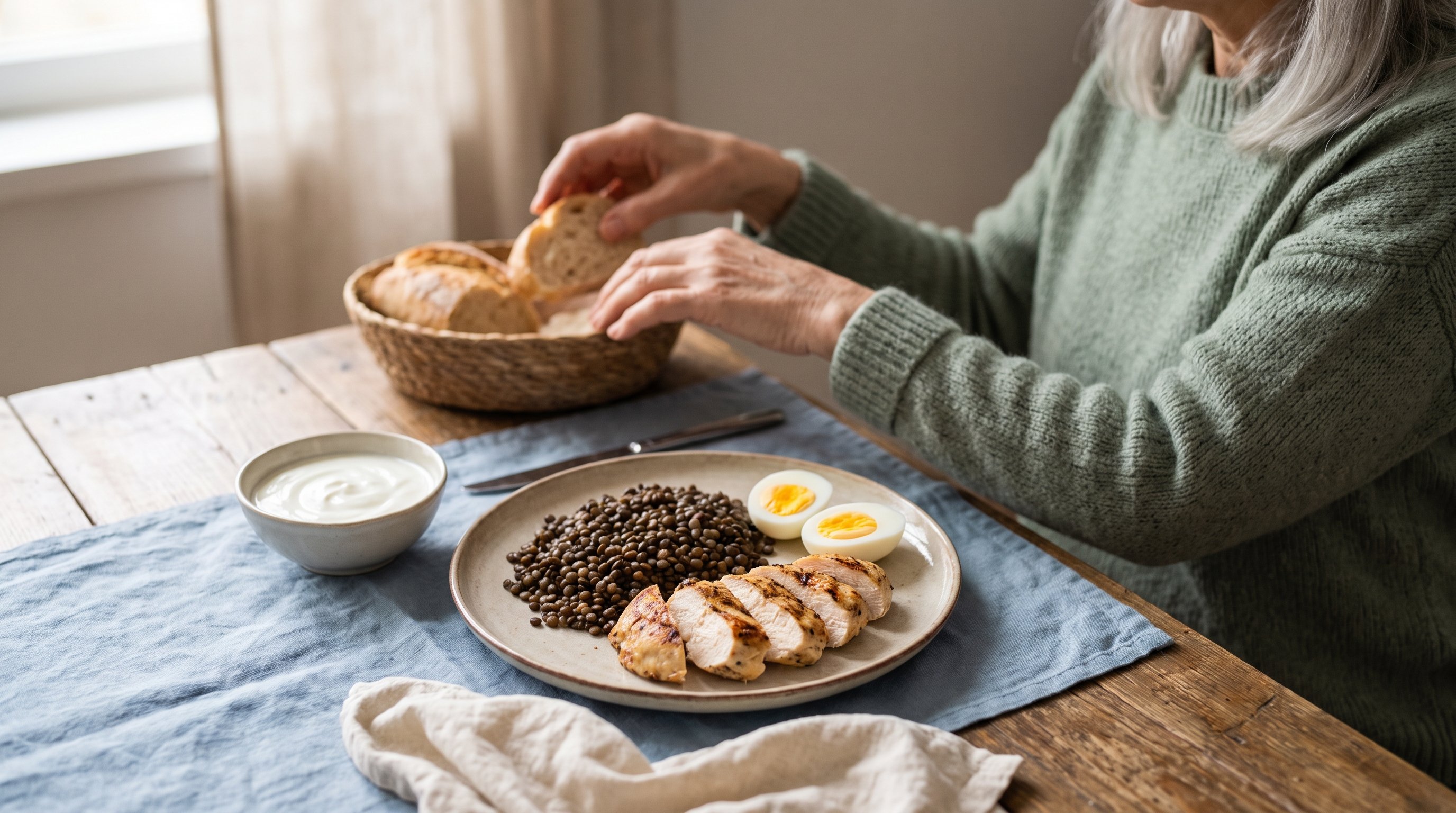
- Does Eating More Protein Actually Make a Difference?
- Animal Protein Versus Plant Protein: Weighing the Options
- Why Simple Protein Swaps Beat a Full Diet Overhaul
- Matching Protein Choices to Different Situations
- Making Protein Choices Work in a Normal Week
- The Myth That One Superfood Covers All Your Protein
- How Senior Diet Simplifies Picking Protein Sources
- Turning Better Protein Choices Into a Daily Habit
The best protein sources for older adults are the ones with the most protein per serving and the fewest barriers to eating them often: eggs, fish, poultry, dairy, beans, lentils and tofu all qualify.
Protein needs don't drop with age, even though appetite often does, so the real job is packing more protein into smaller meals rather than finding one miracle food.
This guide covers which foods actually deliver, how much is worth aiming for, the trade-offs between food groups, and how to make the habit stick without turning every dinner into a project.
Does Eating More Protein Actually Make a Difference?
Muscle tissue is built and maintained from protein, and the body's ability to use incoming protein for that job gets less efficient with age, so a bit more on the plate helps close that gap.
This isn't about bulking up. It's about giving the body raw material so it doesn't have to pull muscle protein from somewhere else to cover the shortfall.
A simple way to see it in numbers: if a meal has 10g of protein instead of 25g, that's 15g missing, three times a day, every day of the week.
Add that up and it's over 300g missing across a week - which is roughly the protein content of a dozen eggs, never eaten.
That's the arithmetic behind why small, steady increases across meals matter more than one big protein-heavy dinner.
Animal Protein Versus Plant Protein: Weighing the Options
Both animal and plant proteins can fill the gap, but they behave differently on the plate, in the budget and in the gut.
The table below lines up five common choices side by side so the trade-offs are easier to see at a glance.

| Food | Protein Per Serving | Ease Of Use |
|---|---|---|
| Eggs | About 6g each | Quick, no prep skill needed |
| Chicken breast | High per portion | Needs cooking time |
| Greek yoghurt | High, no cooking | Ready to eat |
| Lentils | Good per cup | Cheap, needs simmering |
| Tofu | Moderate to good | Flexible, absorbs flavour |
There's no single winner here - the decision usually comes down to what's already in the fridge, what the teeth and gut can handle, and what doesn't feel like a chore to prepare.
Why Simple Protein Swaps Beat a Full Diet Overhaul
The harder alternative is rebuilding every meal from scratch around a new eating plan - most people try that for a week or two, then drop it entirely.
The easier route is swapping, not replacing: add a spoon of Greek yoghurt to porridge, swap white toast for toast with eggs, stir lentils into a soup that's already on the stove.
Swaps survive busy weeks because they don't ask for new shopping habits or new cooking skills - they just change what's already in the pan.
A diet overhaul demands willpower every single day. A swap, once it's automatic, demands nothing at all.
Matching Protein Choices to Different Situations
Living Alone and Cooking for One
Tinned fish, pre-cooked chicken and single-serve yoghurt pots cut down on waste and mean no leftovers going off in the fridge.
Managing a Tight Budget
Eggs, lentils, tinned beans and frozen fish tend to cost less per gram of protein than fresh cuts of meat, and they keep longer too.

Dealing With Chewing or Swallowing Difficulty
Scrambled eggs, soft-cooked fish, yoghurt, cottage cheese and well-cooked lentils are all easier to manage than tougher cuts of meat.
Following a Plant-Based Diet
Tofu, lentils, chickpeas, beans and fortified plant milks can cover the same ground as animal protein, it just usually takes a slightly larger portion to match the numbers.
Making Protein Choices Work in a Normal Week
Nobody wants to weigh chicken breasts every evening, and nobody needs to - the goal is a rough habit, not a precise science project.
Keeping a shopping list stocked with two or three protein staples - eggs, a tin of beans, some yoghurt - means there's always something quick to add to a meal.
This is where a tailored high-protein meal plan fits in: it builds meals and shopping lists around high-protein food people already like, so the swaps above happen without extra planning.
That takes the guesswork out of which foods to stock and how to combine them across a week.
The Myth That One Superfood Covers All Your Protein
There's no single food - not salmon, not quinoa, not a protein shake - that covers everything the body needs on its own.
Protein needs are met across a whole day's eating, not in one dramatic meal, and relying on one 'superfood' usually means other meals quietly go short.
The honest answer is variety: rotating through eggs, fish, dairy, beans and poultry across the week does more than pinning hopes on one ingredient.
Spreading protein across breakfast, lunch and dinner also works better than loading it all into one meal, since the body can only use so much at a time.
How Senior Diet Simplifies Picking Protein Sources
Working out which protein sources to buy, how to cook them and how to fit them into meals someone actually wants to eat is the real daily hurdle, not the nutrition facts.
Senior Diet handles that by offering a tailored high-protein meal plan with easy-to-follow recipes and shopping lists built around it, so the thinking is already done.
It also pairs those meals with light, low-impact exercise sessions and progress trackers for weight, water and steps, so protein intake isn't working in isolation from the rest of the day.
Coach support and lifestyle challenges are there too, for anyone who wants a nudge to keep the habit going past the first few weeks.
Feel Younger Every Day
Healthy Aging Made Simple
Turning Better Protein Choices Into a Daily Habit
Start with one meal - probably breakfast - and add a protein source to it this week, then let the rest follow once that one change feels automatic.
A tailored high-protein meal plan can take over the planning side of that, with meals and shopping lists already built around high-protein food, so the habit has less friction from day one.
FAQ
There's no single number that fits everyone, but spreading a good source of protein across each meal - rather than loading it all into dinner - tends to work better than one big portion.
For most healthy older adults, eating more protein from everyday foods like eggs, fish and lentils isn't a concern, but anyone with an existing kidney condition should check with a doctor before making changes.
Eggs, yoghurt, cottage cheese, tinned fish, lentils and beans all deliver solid protein without needing tough cuts of meat or a big grocery bill.
That's the exact gap Senior Diet is built to close, with ready-made high-protein meal plans and shopping lists so the planning work is already done.
Share this post